info@bursatemamutfak.com

CandySpinz Casino bietet eine aufregende Plattform für Casino-Enthusiasten, die nicht nur eine große Auswahl an Spielen, sondern auch verlockende Willkommensangebote bereitstellt. Diese Boni sind oft entscheidend für die Anziehung neuer Spieler, da sie zusätzliche Anreize bieten, um sich auf der candyspinz Deutschland Plattform zu registrieren. In diesem Artikel werden wir die verschiedenen Aspekte der Willkommensangebote von CandySpinz Casino detailliert untersuchen, um zu verstehen, wie Spieler von diesen profitieren können.
Um Spieler anzulocken, bietet CandySpinz Casino verschiedene Arten von Willkommensangeboten an. Dazu gehören Einzahlungsboni, Freispiele und sogar Cashback-Angebote. Solche Promotions steigern nicht nur das Spielerlebnis, sondern ermöglichen es den Spielern auch, ihr Spielbudget zu maximieren.
| Art des Angebots | Details |
|---|---|
| Einzahlungsbonus | In der Regel 100% auf die erste Einzahlung bis zu einem bestimmten Betrag. |
| Freispiele | Zusätzliche Spiele ohne Wettanforderungen für ausgewählte Slots. |
| Cashback | Ein Prozentsatz der Verluste wird als Guthaben zurückgegeben. |
Der Einzahlungsbonus ist der Hauptanziehungspunkt für neue Spieler. Oftmals können Spieler ihr Guthaben verdoppeln, was die Spielzeit verlängert.
Freispiele ermöglichen es denen, die gerne Slots spielen, neue Spiele auszuprobieren, ohne ihr eigenes Geld einzusetzen.
Die Willkommensangebote von CandySpinz Casino sind mit bestimmten Bedingungen und Anforderungen verbunden. Ein häufiges Kriterium ist die Wettanforderung, die angibt, wie oft ein Bonus gesetzt werden muss, bevor er ausgezahlt werden kann.
| Bedingung | Details |
|---|---|
| Wettanforderung | In der Regel 30x oder mehr, abhängig vom Bonus. |
| Mindesteinzahlung | Normalerweise zwischen 10 € und 20 € erforderlich. |
| Ablaufdatum | Angebote laufen häufig nach 30 Tagen ab. |
Die Wettanforderung bestimmt, wie oft Sie den Bonus umsetzen müssen, um Gewinne abzuheben.
Die Mindesteinzahlung ist der Betrag, den Spieler bereitstellen müssen, um einen Bonus zu aktivieren.
Wie bei allen Angeboten gibt es sowohl Vor- als auch Nachteile. Die Vorteile sind oft mehr Gelder zu spielen und zusätzliche Freispiele, während die Nachteile in hohen Wettanforderungen bestehen können.
Zusätzliche Funds und Freispiele können das Spielerlebnis deutlich verbessern.
Hohe Wettanforderungen können neue Spieler abschrecken oder ihre Gewinne schmälern.
Um das Beste aus den Willkommensangeboten von CandySpinz Casino herauszuholen, gibt es einige bewährte Methoden, die Spieler befolgen können. Diese reichen von der sorgfältigen Auswahl des Spiels bis zur gründlichen Überprüfung der Angebotsbedingungen.
| Tipps | Details |
|---|---|
| Spiele mit hohem RTP wählen | Wählen Sie Spiele mit einem Rückzahlungsprozentsatz von über 95% für bessere Gewinnchancen. |
| Regeln lesen | Verstehen Sie alle Bonusbedingungen, bevor Sie wetten. |
| Klein beginnen | Setzen Sie kleinere Beträge anfangs ein, um das Risiko zu minimieren. |
Die Auswahl von Spielen mit einem hohen RTP kann die Chancen auf Gewinne erhöhen.
Die Kenntnis der gelebten Bedingungen ist entscheidend für einen reibungslosen Ablauf.
CandySpinz Casino bietet eine beeindruckende Reihe von Willkommensangeboten, die neuen Spielern helfen, sich an die Plattform zu gewöhnen und ein angenehmes Spielerlebnis zu haben. Diese Angebote können die Vorteile des Spielens maximieren, allerdings sollten die Bedingungen vor der Annahme sorgfältig geprüft werden.
Quick Facts about CandySpinz Casino
“Willkommensangebote sind eine großartige Möglichkeit, um die Vorteile des Spielens auszuschöpfen!” – Casino-Experte
Did You Know about CandySpinz Casino?
Die besten Willkommensangebote bieten in der Regel hohe Einzahlungsboni und Freispiele für neue Spieler.
Die Wettanforderungen müssen erfüllt werden, bevor Gewinne aus Bonusguthaben abgehoben werden können.
Die Mindesteinzahlung kann zwischen 10 € und 20 € variieren, je nach Angebot.
Ja, die meisten Boni verfallen nach 30 Tagen, wenn die Wettanforderungen nicht erfüllt sind.
Freispiele müssen meist innerhalb eines bestimmten Zeitraums nach Aktivierung verwendet werden.
Ja, die Willkommensangebote gelten auch für mobile Spieler bei CandySpinz Casino.
Insgesamt bieten die Willkommensangebote von CandySpinz Casino Spielern eine wertvolle Gelegenheit, das Beste aus ihren Einzahlungen herauszuholen und ein beeindruckendes Spielerlebnis zu genießen. Es ist jedoch unerlässlich, die Bedingungen und Anforderungen sorgfältig zu prüfen, um am meisten von diesen Angeboten zu profitieren.
Asino Casino: Spletne Storitve
Asino Casino nudi široko paleto možnostih za uporabnike, ki se želijo zabavati in preizkusiti srečo. Zasnovan je tako, da zagotavlja prijetno in varno izkušnjo, kar vključuje odlične možnosti podpore strankam in učinkovito obvladovanje finančnih transakcij. Za več informacij o tem, kako uporabljati asino, si oglejte našo celovito analizo, ki zajema tehnično dostopnost in učinkovite operacije.
Eden ključnih elementov, ki jih mora vsak igralec razumeti, so finančne operacije v Asino Casinu. Te vključujejo postopke umika, hitrost transakcij in omejitve, povezane z različnimi metodami plačila. Uporabniki morajo biti seznanjeni z značilnostmi teh operacij, da bi lahko kar najbolje izkoristili svoje izkušnje.
| Metoda Plačila | Čas Obdelave | Omejitve |
|---|---|---|
| Kreditne Kartice | 1-3 Delovnih Dni | Min: 10€, Max: 5000€ |
| E-Walleti | Instantno | Min: 20€, Max: 10000€ |
| Banka | 3-5 Delovnih Dni | Min: 50€, Max: 2000€ |
Za optimalno izkušnjo izberite metodo, ki ustreza vašim potrebam, z upoštevanjem hitrosti in omejitev.
Preden začnete, se prepričajte, da razumete omejitve za umik za vsako metodo na voljo.
Asino Casino se ponaša z odlično podporo strankam, ki je dostopna 24/7. To je ključno za igralce, ki med igro potrebujejo pomoč ali soočajo z morebitnimi težavami. Podpora je dostopna preko različnih kanalov, kot so klepet v živo, e-pošta in telefonski klici.
| Kanal Podpora | Čas Odgovora | Razpoložljivost |
|---|---|---|
| Klepet v Živo | 1-2 Minuti | 24/7 |
| E-Pošta | Do 24 Ur | 24/7 |
| Telefon | Takojšnja Podpora | 10:00 – 22:00 |
Izberite kanal, ki vam najbolje ustreza, in se obrnite na ekipo, ko potrebujete pomoč.
Najpogostejše težave vključujejo težave z umiki in vprašanji o bonusih.
Asino Casino ponuja privlačen VIP program in nagrade za zvestobo, ki nagrajuje igralce za njihovo aktivnost. Program vključuje različne ravni z različnimi ugodnostmi, kar igralcem omogoča dostop do ekskluzivnih bonusov in promocij.
| Naziv Ravni | Pogodbe | Ekskluzivne Ponudbe |
|---|---|---|
| Bronasti | 0-499 Točk | Brezplačne Igre |
| Srebrni | 500-1499 Točk | Cashback |
| Zlati | 1500+ Točk | Personalizirane Ponudbe |
Igralci se lahko prijavijo za VIP status, ko dosežejo določeno število točk z igrami.
Uživajte v hitrejših umikih, ekskluzivnih bonusih in prilagojenih storitvah.
Ko gre za umike, je hitrost ključnega pomena. Asino Casino se trudi, da zagotovi hitro obdelavo vseh prenosov, pri čemer ponudniki zagotavljajo različne čase obdelave. Upoštevati je treba tudi različne omejitve, ki jih določi vsaka metoda.
| Metoda Plačila | Čas Umika | Omejitve |
|---|---|---|
| Kreditne Kartice | 1-3 Delovni Dni | Min: 10€, Max: 5000€ |
| E-Walleti | Instantno | Min: 20€, Max: 10000€ |
| Banka | 3-5 Delovnih Dni | Min: 50€, Max: 2000€ |
Izberite metode z najhitrejšimi obdelavami za takojšnje prenos.
Upoštevajte minimalna in maksimalna omejitve za vsako metodo preden izvedete umik.
Hitri Dejstva o Asino Casinu
Asino Casino natančno sledi trenutnim trendom z varnostjo in podporo, kar zagotavlja užitek v igri.
Ali ste vedeli o Asino Casinu?
Za uspešno igranje v Asino Casinu je ključno razumeti finančne operacije, podporo strankam, VIP programe in hitrost umikov. Prepoznajte, katera metoda plačila vam najbolj ustreza, in bodite seznanjeni z omejitvami. Razvijanje zvestobe z udeležbo v VIP programih prinaša dodatne nagrade.
Asino Casino ponuja širok spekter storitev, ki so zasnovane tako, da zadostijo potrebam igralcev. Strokovna podpora in hitre finančne operacije so ključnega pomena pri zagotavljanju odlične izkušnje.
To je odvisno od metode umika; e-walleti so običajno takojšnji, medtem ko banke trajajo dlje.
Priporočljivo je, da poskusite z različnimi kanali, kot so telefon ali klepet v živo.
Da, vsaka metoda ima svoje minimalne in maksimalne omejitve pri umikih.
VIP program vključuje različne ravni z ekskluzivnimi bonusi, hitrejšimi umiki in personaliziranimi promocijami.
Lahko se prijavite, ko dosežete določeno število točk z igrami, ali pa se obrnite na podporo.
Spostavljajte si meje in se vedno zavedajte svojih financ pri igrah na srečo.
Das CandySpinz Casino ist bekannt für seine umfangreiche Spielauswahl, die sowohl neue als auch erfahrene Spieler anspricht. Besucher können eine Vielzahl von Spielautomaten, Tischspielen und Live-Dealer-Optionen genießen, die alle durch ein attraktives Design und einfache Navigation unterstützt werden. Die Plattform ist so konzipiert, dass sie den Spielern ein unvergessliches Erlebnis bietet. Interessierte können mehr Informationen auf der offiziellen Seite finden: https://candyspinzs.de/.
Im CandySpinz Casino finden Sie eine beeindruckende Auswahl an Spielautomaten, die von verschiedenen Softwareanbietern stammen. Spieler können sich darauf freuen, sowohl klassische als auch moderne Video-Slots mit den unterschiedlichsten Themen und Funktionen zu entdecken.
| Spielautomat | RTP (%) | Features |
|---|---|---|
| Starburst | 96.09 | Expanding Wilds, Free Spins |
| Book of Dead | 96.21 | Einzigartige Bonusrunde |
| Gonzo’s Quest | 95.97 | Avalanche-Funktion, Free Falls |
– Starburst
– Book of Dead
– Gonzo’s Quest
Mit dieser Vielfalt an Spielautomaten können Spieler sicherstellen, dass sie stets etwas Neues zu erkunden haben.
CandySpinz Casino bietet auch eine Vielzahl von Tischspielen, darunter Roulette, Blackjack und Baccarat, die hohe Einsatzlimits für erfahrene Spieler und niedrigere Limits für Anfänger bieten.
| Spiel | Einsatzbereiche | Varianten |
|---|---|---|
| Roulette | 1€ – 1000€ | Europäisch, Amerikanisch |
| Blackjack | 5€ – 5000€ | Classic, Multi-Hand |
| Baccarat | 10€ – 10000€ | Punto Banco, Chemin de Fer |
– Bankroll-Management
– Setzen von Gewinn- und Verlustlimits
Die Kombination aus verschiedenen Spielvarianten und Einsatzlimits macht das CandySpinz Casino zu einer ausgezeichneten Wahl für Tischspiel-Enthusiasten.
Das Angebot an Live-Dealer Spielen im CandySpinz Casino bietet ein echtes Casino-Erlebnis, das bequem von Zuhause aus genossen werden kann. Diese Spiele werden in Echtzeit gestreamt und bieten Interaktionen mit echten Dealern.
| Spiel | Verfügbarkeit | Interaktive Funktionen |
|---|---|---|
| Live Roulette | 24/7 | Live-Chat, Mehrere Kamerawinkel |
| Live Blackjack | 24/7 | Teilnehmerinteraktion, Side Bets |
| Live Baccarat | 24/7 | Spieler-Statistiken, Interaktive Tipps |
– Realistisches Casino-Gefühl
– Interaktive Erlebnisse
Die Live-Dealer Spiele bieten Spielern die Möglichkeit, in einer authentischen Casino-Atmosphäre zu spielen, ohne das Haus verlassen zu müssen.
Das CandySpinz Casino bietet eine optimierte mobile Plattform, die es Spielern ermöglicht, ihre Lieblingsspiele jederzeit und überall zu genießen. Die App ist benutzerfreundlich und gleichzeitig funktional, sodass kein Spielfluss verloren geht.
| Funktionalität | Plattform | Verfügbare Spiele |
|---|---|---|
| Kompatibel mit Smartphones | iOS, Android | Alle Hauptspiele verfügbar |
| Benutzeroberfläche | Intuitiv, anpassbar | Live-Spiele, Slots, Tischspiele |
| Leistung | Hochgeschwindigkeit, flüssige Grafiken | Ohne Ladezeiten |
– Einfacher Zugang zu Spielen
– Mobiles Banking
Die mobile Erfahrung bietet den Nutzern die Freiheit, ihr Spielerlebnis flexibel zu gestalten.
Vorteile der Spielauswahl im CandySpinz Casino
– Breite Auswahl an Spielen
– Hochwertige Softwareanbieter
– Regelmäßige Updates und neue Spiele
– attraktives Bonusangebot
Die Spielauswahl im CandySpinz Casino ist einer der Hauptgründe, warum viele Spieler loyal bleiben.
Hauptmerkmale der Spielauswahl im CandySpinz Casino
| Merkmal | Beschreibung |
|---|---|
| Spielvielfalt | Von Slots zu Tischspielen und Live-Deals |
| Softwareanbieter | Partnerschaften mit führenden Entwicklern |
| Innovative Features | Neue Themen und Bonus-Features |
Der CandySpinz Casino bietet eine hervorragende Auswahl an Spielen, die durch interessante und kreative Features ergänzt werden.
Zusammenfassend lässt sich sagen, dass die Spielauswahl im CandySpinz Casino eine der Stärken der Plattform ist. Mit einer breiten Palette an Spielautomaten, Tischspielen und Live-Dealer-Spielen, die ständig aktualisiert werden, ist für jeden Spieler etwas dabei.
Wussten Sie schon über CandySpinz Casino?
Die Plattform bietet regelmäßig Turniere und Wettbewerbe, die tolle Preise und Belohnungen versprechen.
CandySpinz Casino bietet Spielautomaten, Tischspiele und Live-Dealer Spiele.
Ja, CandySpinz Casino bietet spezielle Boni für Spielautomaten, einschließlich Freispielaktionen.
Neue Spiele werden kontinuierlich hinzugefügt, um die Auswahl frisch zu halten.
Ja, die mobile Plattform ist vollständig funktionsfähig und bietet alle Spiele.
CandySpinz Casino unterstützt eine Vielzahl von Zahlungsmethoden für die Einzahlung und Auszahlung.
Das Casino hat strenge Sicherheitsmaßnahmen, um die Daten der Spieler zu schützen.
顔交換アプリで写真を簡単入れ替え 自然な合成ができるおすすめツール
写真に写った自分の表情がイマイチだと感じたことはありませんか?そんな悩みを解決するのが、顔交換アプリです。これはAI技術で顔を認識し、別の写真の顔と瞬時に入れ替えるツールです。数回タップするだけで、理想の笑顔や驚きの表情を写真に簡単に追加できるため、SNS映えする一枚を誰でも手軽に作成できます。
顔交換アプリにおいて「写真をスマートに合成!話題の技術を徹底解説」とは、ユーザーの顔写真を別の人物や画像に自然に重ねるための最新アルゴリズムを指します。具体的には、深層学習を活用し、肌の質感、光源の向き、顔の輪郭を自動補正することで、違和感のない合成を実現します。これにより、ユーザーはマスクや背景のずれを手動で調整する手間が省け、ワンタップで高品質な顔交換が可能になります。特に、表情や角度が異なる写真同士でも、顔のランドマークを正確に検出し、自然なブレンド処理を行うため、完成度の高い仕上がりが期待できます。
顔交換アプリにおける顔のすげ替えが注目される理由は、瞬間的な没入感を誰でも容易に味わえる点にあります。AIの精度向上により、スマホ一台で自分の顔を映画俳優や歴史上の人物にリアルタイムで置き換える体験が可能になりました。SNS上で自分が変身した姿を共有する楽しさが、この技術を普及させました。ユーザーは複雑な編集不要で、「もし自分が別人だったら」というファンタジーを写真一枚で実現でき、その手軽さと新鮮な驚きが人気の核心です。
顔交換アプリがSNSでバズる最大の理由は、没入感を生む即時的な遊び心にあります。ユーザーは自分の顔を芸能人やアニメキャラに合成し、その意外性に笑いながらシェアしたくなる衝動に駆られます。加工の手軽さが“見せたい瞬間”を逃さず、タイムライン上で視覚的なインパクトを与えるため、自然と拡散が加速します。
プロも愛用する高機能ツールの全貌とは、顔交換アプリにおいて、単なる顔の入れ替えを超えた次元の表現力を指します。例えば、高精度なAIが肌の質感や光源の向きをも自動補正し、合成部分を完全に自然に馴染ませる機能です。また、表情や微細な筋肉の動きまで追跡し、動画の中で違和感なく口元が動くツールは、プロの映像制作でも重宝されています。さらに、交換後の顔に特定のフィルターやメイクを重ねられる多層編集が可能で、クリエイターは細部のトーン調整まで自由に行えます。
これらは、単なる遊び道具ではなく、映画やMVのVFXクオリティを個人のデバイスで実現する、真のプロフェッショナルツール群です。
顔交換アプリにおけるAIによる自然な合成処理は、顔全体の三次元形状をリアルタイムで解析し、光源や肌質、毛穴のテクスチャを個別に再現することで、違和感のない仕上がりを実現します。従来は顔の輪郭やパーツ配置の一致が不十分で不自然さが目立ちましたが、現在のAI技術は、元画像の表情や角度に応じて微細な陰影と色素変化を自動調整します。さらに、髪の毛一本一本やまつげのピクセルレベル補間が、現実の質感を忠実に再現する鍵です。
リアルな仕上がりは、形状・光源・肌テクスチャを個別に最適化するAIの緻密な解析によって達成される。

顔交換アプリを選ぶ時、まず決めるべきは動画対応か静止画限定かというポイントです。動画対応なら、リアルタイムで表情を追従できるので、SNSや配信で自然な動きを楽しめます。一方、静止画限定なら、ソフトが軽く、明るさや角度をじっくり調整して完璧な仕上がりを狙えます。選び方の流れはこうです。
顔交換アプリの無料版と有料版の違いは、主に処理精度と出力解像度に現れます。無料版では顔の輪郭認識が荒く、髪の毛の境界線にノイズが乗ることが多いですが、有料版はAIが毛流れを読み取り、自然なグラデーションを生成します。動画対応の場合、無料版は1分以内の出力で透かしが入るのに対し、有料版は無制限かつ透かしなしです。機能解放の順序は以下の通りです。
編集後の肌質や陰影のなじみ具合にこだわるなら、有料版の方が仕上がりは格段に自然です。
『スマホで完結!初心者でも簡単な使い方ガイド』は、顔交換アプリを初めて使う人向けに、ダウンロードから加工、保存までをスマホ一台で完結させる手順を徹底解説しています。アプリ起動後、ガイドに従って顔写真を二枚選択し、自動認識された輪郭を指一本で微調整すれば、数タップで自然な合成が可能です。例えば「肌の色ムラが気になる場合は?」というQ&Aでは、ガイド内で「明るさ補正スライダーを左にスライド」と具体的な修正箇所を指示。操作に迷うステップごとに画像付きで解説されているため、初心者でも迷わずに高品質な顔交換写真を作成できます。
顔交換アプリの第一歩は、たった写真一枚から始める基本のステップです。まず、高画質で正面を向いた自分の顔写真を選び、アプリに取り込みます。次に、AIが自動で顔の輪郭やパーツを認識するのを待ち、結果を確認。最後に、画面上のスライダーで自然な合成具合に調整すれば完成です。

顔交換した写真がどこか不自然に感じるなら、自然な違和感ゼロを目指す微調整テクニックが必須です。まず肌の色ムラを直すために、アプリの「カラーバランス」スライダーで元画像と交換部分の明るさを揃えましょう。次に「境界ぼかし」機能を2〜3ピクセル程度適用し、輪郭の継ぎ目を消します。最後に「透明度」を80%前後に下げて重ねると、元の顔の質感が透け、合成感が劇的に軽減されます。
| 微調整箇所 | 違和感が出る原因 | 解消テクニック |
|---|---|---|
| 肌の色味 | 元画像と交換顔のトーン差 | カラーバランスで黄み・青みを調整 |
| 輪郭の境界 | 直線的な切り抜き跡 | 境界ぼかし(半径2〜3)で馴染ませる |
| 質感の差 | 肌のキメや影が異なる | 透明度を80%にし元画像の質感を透かす |
グループ写真で顔交換アプリを使う際、全員の顔がはっきりと写っていることがグループ写真の失敗回避の基本です。まず、人物同士が重ならないよう配置し、それぞれの顔に十分な光が当たるよう注意します。次に、一括認識機能を使う前に、全員の顔が画面内で適切にトリミングされているかを確認しましょう。ぼやけや横向きの顔は認識エラーの原因となるため、静止を促してから撮影します。複数人では、特に目尻や口元の輪郭がはっきりしていると、交換後の違和感が減ります。最後に、合成前に一人ずつ認識結果を確認し、ズレがあれば手動で調整してから実行してください。


顔交換アプリの活用提案は、まずエンタメ領域で友人の顔を映画キャラに差し替えたSNS投稿や、バーチャル試着によるコスプレ体験を提供します。さらにビジネスシーンでは、マーケティング資料の顔をモデルに統一したイメージ動画制作や、リモート会議でカメラオフ同士のアバターを使った表情豊かなコミュニケーションを実現。教育現場での教材キャラクター化や、医療分野の患者説明用ビジュアル生成にも応用可能です。シーンに応じて技術を調整し、ユーザー体験を最大化する提案が鍵です。
顔交換アプリの活用において、思い出の写真を修復し故人との合成も可能にする機能は、特に情感的な価値が高い。古い家族写真の傷や色褪せをAIが補正した後、故人の別の肖像から顔を抽出し、集合写真内の欠損部分へシームレスに合成できる。これにより、生前に撮れなかった一枚を擬似的に作成し、遺族が視覚的に故人との時間を再体験する手段として機能する。
顔交換アプリは、写真修復と故人との合成を組み合わせ、失われた瞬間の視覚的な再現を実現する。
ゲーム実況やVTuber活動において、顔交換アプリはキャラクターへの完全没入を実現する実用的なツールです。配信者が自身の顔をアニメキャラやゲーム内のアバターにリアルタイムで変換し、表情や口の動きを追従させることで、視聴者は違和感なく演技やトークを楽しめます。顔交換は声や動きと同期するため、なりきり配信の没入感を高め、視聴者との一体感を生む演出が可能です。特にバーチャル空間でのロールプレイや特定のキャラクター性を強調したい場合に有効で、視聴者の記憶に残る配信体験を提供します。
ゲーム実況やVTuberでキャラクターになりきる際、顔交換アプリは配信者の表情をリアルタイムで変換し、視聴者との一体感を高める実用的な演出手段となる。
ゲーム実況やVTuber活動において、顔交換アプリはキャラクターへの完全没入を実現する実用的なツールです。配信者が自身の顔をアニメキャラやゲーム内のアバターにリアルタイムで変換し、表情や口の動きを追従させることで、視聴者は違和感なく演技やトークを楽しめます。顔交換は声や動きと同期するため、なりきり配信の没入感を高め、視聴者との一体感を生む演出が可能です。特にバーチャル空間でのロールプレイや特定のキャラクター性を強調したい場合に有効で、視聴者の記憶に残る配信体験を提供します。
ゲーム実況やVTuberでキャラクターになりきる際、顔交換アプリは配信者の表情をリアルタイムで変換し、視聴者との一体感を高める実用的な演出手段となる。
顔交換アプリを販促素材へ応用する際、ユーザー自身の顔で商品を疑似体験できる広告クリエイティブが効果的です。例えば、コスメブランドの新色リップを試せるシミュレーション広告や、キャラクターと合成できる映画の告知ビジュアルが挙げられます。さらに、エンタメコンテンツの公式アカウントと連動し、ユーザーが生成した顔交換画像をそのままSNSでシェアできる仕組みを実装すれば、広告でありながら自然な拡散を促進。ターゲットに「自分ごと」として捉えさせる体験型クリエイティブが、従来のバナー広告より高いエンゲージメントを生み出します。
販促素材や広告クリエイティブに応用する方法として、ユーザーの顔を取り込んだ体験型ビジュアルを作成し、SNS連動で拡散を促す手法が有効。
顔交換アプリで最も注意すべきリスクは、生成された画像が本人確認や決済システムに悪用されることです。絶対に、自分や他人の顔データをアプリのサーバーに無制限に送信しないでください。一度拡散された加工画像は完全に削除できません。対策として、画像に透かしを入れるか、処理後すぐにローカル保存しアプリのアクセス権を削除しましょう。Q:アプリが要求する「カメラロールへの書き込み権限」はどう対応すべき?A:処理時にだけ許可し、完了後は設定画面から即座にオフにしてください。
顔交換アプリの利用で最大の落とし穴は、無断加工による肖像権侵害です。友人の顔をスタンプや動画に使うだけでも、被写体の承諾がない場合、プライバシーを損なう不法行為に該当します。特に、作成した加工画像をSNSに投稿すると、拡散のリスクが急増。たとえ削除しても、すでに他人の端末に保存されていれば「忘れられる権利」は機能しません。法的なトラブルを避けるには、顔データをアプリ外に保存しない、加工前に必ず相手の明示的な許可を得るという基本が必須です。
まとめ: 顔交換アプリでの肖像権・プライバシー問題は、同意なしの加工と拡散が最大の法的落とし穴。事前許可とデータ管理で回避せよ。
顔交換アプリで遊んだ写真をSNSに上げる前に、投稿前のモラルチェックが超大事。まず相手に了承を得ているか?無許可投稿はトラブルの元だから、必ず「載せていい?」と確認を。加工しすぎて本人と別人になると、見た人に誤解を与えるし、本人も気まずい。友達の恥ずかしい顔をネタにするのは冗談でもNG。削除依頼が来たらすぐ対応する姿勢もマナーだよ。
顔交換アプリを選ぶ際、プライバシーポリシーの確認は必須です。特に、顔データの保存期間や第三者提供の有無を明示しているか精査しましょう。また、アプリがローカル処理かクラウド処理かを確認し、データが端末外に送信されない設計かをチェックします。さらに、レビューで「不審なアクセスがあった」といった報告がないかも重要な判断材料です。
アプリ選びで失敗しないセキュリティチェックとは、顔データの取扱いをポリシーと設計から検証し、利用者の報告も踏まえて総合的に判断することに尽きる。
未来を予測!次世代の顔合成技術がもたらすものは、顔交換アプリの精度とリアルタイム性を飛躍的に向上させます。従来の違和感を克服し、次世代の顔合成技術が生成する映像は毛穴や表情の微妙な動きまで再現。これにより、ユーザーはアバターと自己を完全に同期させ、まるで未来の自分と対話するような体験が可能になります。動画通話やライブ配信においても、顔交換アプリが瞬時に理想の顔へと変換し、没入感を極限まで高めるでしょう。
顔交換アプリがARグラスやメタバースと連携する理由は、ユーザーの没入体験を根本から変えるからです。現実の顔をリアルタイムで別の姿に置き換えられるアバター反映の即時性が、仮想空間での自己表現を飛躍的に拡張します。ARグラスでは、対面する相手の表情を瞬時に加工し、会話のニュアンスまで仮想キャラクターに反映可能。メタバースでは、アプリで生成した顔データをアバターに直接適用し、個性を保持したまま複数の仮想世界を自由に行き来できます。この直接的な連携こそが、現実と仮想の垣根を曖昧にし、ユーザーが自然にデジタル社会へ移行するための実用的な基盤となるのです。
個人認証の分野では、顔交換アプリで培われた高度な合成技術が、なりすまし防止に新たな課題を突きつけます。一方で医療分野では、患者の表情筋の動きを精密に再現し、術後の顔貌シミュレーションに応用する可能性が広がります。ただし、合成顔と本人確認の境界が曖昧になることで、生体認証の信頼性が揺らぐリスクも無視できません。また、治療経過の比較検証に使うには、リアルタイムの経時変化をどう捉えるかが実用化への鍵となるでしょう。
ディープフェイク問題をどう乗り越えるかは、顔交換アプリの実用性を左右する核心です。アプリ内で生成された合成顔に不可視の電子透かしを埋め込み、改ざん履歴を追跡可能にすることで、悪用を抑止します。さらに、顔認証との連携により、利用者の承諾がない顔データの無断使用をブロックする仕組みが求められます。ディープフェイク検出アルゴリズムをアプリ側に組み込み、リアルタイムで異常な動きや不自然な光の反射を判定する自動警告機能も有効です。
フェイク動画作成の基本をわかりやすく解説します
「顔出ししたくないけど動画は必要」、そんな悩みを解決するのがフェイク動画作成です。これはAI技術を駆使して実在しない人物の映像を生成し、あなたの代わりに話させる手法です。簡単なテキスト入力だけで、まるで本物の人間が話しているかのような動画を瞬時に作り出せます。
フェイク動画作成における偽造映像制作の基礎知識として、まず元動画のピクセル単位の分析が不可欠です。背景と前景の動きを正確に分離するモーショントラッキングを施し、違和感のない合成を実現します。次に、顔の表情や口元を操作する際は、フォトリアリスティックな肌質と陰影を再現するシェーダー処理が必須です。音声も波形を映像に同期させるリップシンク技術を駆使し、誤差を0.1秒単位で調整します。光の反射やカメラノイズまで偽装できれば、人間の目では判別不能なレベルの偽造映像が完成する。これら全ての工程は、フレーム単位の手動修正を厭わない徹底した作業に依存します。
ディープフェイク技術の仕組みは、主にGAN(敵対的生成ネットワーク)という仕組みで動きます。まず学習用の動画から大量の顔画像を集め、生成器と識別器という2つのAIを競わせます。生成器は偽の顔を作り、識別器は本物か偽物かを見抜く。これを繰り返すことで、生成器は限りなく本物に近い顔を出力できるようになるんです。オートエンコーダも使われ、顔の特徴を圧縮・復元して入れ替えます。
フェイク動画作成における生成に必要なツールと環境は、処理負荷とソフトウェア互換性が主な決定要因となる。まず、高性能なGPU(NVIDIA製が標準)と大容量VRAMが必須であり、最低でも8GB、推奨は12GB以上を確保する。次に、主要なツールとしてDeepFaceLabやFaceSwapが挙げられ、これらはCUDAコアを活用するため、環境構築では適切なドライバとPythonライブラリのバージョン管理が鍵となる。具体的なセットアップ手順は以下の通り。
偽造映像制作において、過去の事例から学ぶ倫理的課題は、意図せぬ被害を防ぐための核心です。例えば、著名人を無断で映像に合成した事例では、肖像権侵害に加え、視聴者が真偽を区別できず社会的混乱が生じました。また、個人の過去映像を文脈を無視して編集したケースでは、対象者の名誉毀損や精神的なダメージが問題視されています。こうした教訓から、制作時には全素材の使用許諾と公開後の影響範囲を事前に精査する実務が必要です。倫理的判断基準は、単なる法律遵守ではなく、社会の信頼を損なわないための具体的な行動規範として機能します。
フェイク動画作成の要である高品質な偽動画を生む素材準備は、まず対象人物の多彩な表情と豊富な角度の動画を数百時間単位で収集することから始まる。肌の質感や照明の変化を逃さない高解像度データが、最終的なリアリティの分水嶺となる。さらに音声素材は、背景ノイズが異なる複数の録音環境で採取し、声色の微妙な揺らぎや息継ぎまで再現可能にしておく。顔の輪郭にマッチした3Dスキャンデータを統合することで、首の動きや口周りの筋肉の連動が自然になる。特に、瞬きや視線のわずかなランダム性を素材の段階で組み込んでおくことが、機械的な印象を払拭する鍵だ。
元データとして最適な映像を選ぶ際は、まず被写体の動作が滑らかで、照明が一貫しているものを優先します。角度や表情のバリエーションが豊富な映像ほど、合成後の整合性が高まります。特に、表情変化を網羅した素材が口元や目の動きの再現精度を向上させます。解像度やフレームレートが高いほど、細部の補完が容易になります。背景が単一でノイズが少ない映像は、切り抜き処理の負荷を軽減します。元映像の明るさや色味が統一されていると、色調補正の手間が減り、違和感の少ない仕上がりになります。
Q: 元データとして最適な映像の選び方で最も重要な条件は何ですか?
被写体が正面から撮影され、顔の輪郭や特徴点が明確に識別できる映像を選ぶことです。これにより、トラッキング精度が飛躍的に向上します。
顔画像の収集と加工のコツは、まず解像度が高く、正面かつ照明が均一な素材を複数角度から集めることです。特に、目元や口元の動きが明確なフレームを選別し、肌のテクスチャや影の方向を統一する加工が重要です。顔の輪郭に沿ったレイヤーマスクを精緻に作成し、光源の角度を揃えることで自然な合成が可能になります。顔の輪郭に沿った精緻なマスク処理が、違和感のない動画生成の鍵を握ります。
Q: 顔画像の収集と加工で最も優先すべきポイントは?
A: 解像度と照明条件です。複数の角度から顔を捉えた高解像度画像を、均一な光環境で撮影・選別することが、後の加工精度を左右します。
フェイク動画で違和感を消すには、リップシンク精度の向上が命です。まず、口元の動画フレームと音声波形のピークをタイムライン上で手動一致させます。次に、動画編集ソフトのオーディオウェーブフォームを表示し、発話開始点を正確にクリップ。最後に、口を閉じた無音区間を確認し、0.5フレーム単位で微調整します。この工程を飛ばすと、生々しさが一瞬で台無しになります。
フェイク動画作成における実際の手順として、まず対象人物の高画質な顔写真と音声を収集し、ディープフェイク用のオープンソースソフト(例:DeepFaceLab)で顔入れ替え用の機械学習モデルを生成する。編集テクニックでは、合成した顔の輪郭と肌の質感を背景の照明に合わせて補正し、耳元や髪の生え際の歪みを手動でマスク処理する。次に、音声ピッチを元の発話リズムと同期させつつ、口元の動きをフレーム単位で追跡してズレを修正する。重要なのは、動画全体の画質を意図的に劣化させ(圧縮ノイズの付加や解像度低下)、不自然さを目立たなくすることだ。ただし高度な不審点の検出を防ぐには、音声の呼吸音や瞬きのタイミングまで細かく模倣する必要があるため、実用には多大なリソースと検証工程が不可避である。
フェイク動画作成における実際の手順として、まず対象人物の高画質な顔写真と音声を収集し、ディープフェイク用のオープンソースソフト(例:DeepFaceLab)で顔入れ替え用の機械学習モデルを生成する。編集テクニックでは、合成した顔の輪郭と肌の質感を背景の照明に合わせて補正し、耳元や髪の生え際の歪みを手動でマスク処理する。次に、音声ピッチを元の発話リズムと同期させつつ、口元の動きをフレーム単位で追跡してズレを修正する。重要なのは、動画全体の画質を意図的に劣化させ(圧縮ノイズの付加や解像度低下)、不自然さを目立たなくすることだ。ただし高度な不審点の検出を防ぐには、音声の呼吸音や瞬きのタイミングまで細かく模倣する必要があるため、実用には多大なリソースと検証工程が不可避である。

フェイク動画作成におけるオープンソースソフトの活用方法として、まずFFmpegを用いたクリップの切り出しや結合で元素材を整えます。次に、画像編集にはGIMP、動画フレームの加工にはKritaを利用し、特定オブジェクトの除去や顔部分のペイント修正を行います。その後、Pythonベースのライブラリ(例:OpenCVやDeepFaceLab)で顔入れ替えやモーフィング処理を自動化し、最後にDaVinci Resolve(無料版)やShotcutでタイムライン編集とエフェクトを追加して違和感を軽減します。これらすべてを無償ツールのみで完結させる点が、オープンソース特有の利便性です。
無料版と有料版の比較検討では、編集の自由度と出力品質が主要な分岐点となる。無料ツールは基本加工に制限があり、特にフェイク動画作成における一貫性が損なわれやすい。一方、有料版は被写体の動きに対するトラッキング精度や背景合成の自然さで優位に立つ。無料版の時短テンプレートは効率的だが、独自性が求められる場面では有料版の手動調整が不可避である。
フェイク動画の仕上げでは、動画編集ソフトで時間軸の微調整が命です。まずクリップ間のトランジションを0.2秒未満に設定し、不自然なカットを消します。次に、キーフレームを使ってブレやフォーカスを模倣し、視聴者の違和感を打ち消します。仕上げにLUTを適用し、全編の色味を統一すれば完成度が跳ね上がります。
深夜、SNSでバズりたい一心で、知人の顔を無断で生成AIに読み込ませ、本人が言っていない過激な発言をさせたフェイク動画を作成しました。翌朝、本人から激しい抗議の連絡が入り、弁護士を通じて損害賠償請求と動画削除を求められました。作成時の法的リスクとは、こうした肖像権や名誉毀損といった個人の権利侵害が現実の賠償命令に直結する点です。防止策として、作成前に全登場人物の明確な同意書を取り、公開範囲を限定したテスト環境で一度検証します。Q: 防止策が不十分なまま公開したら? A: 「削除すれば終わり」ではなく、拡散後の証拠保全で刑事告訴されるリスクが残ります。

フェイク動画作成時には、被写体の肖像権と著作権の注意点が必須の確認事項です。他者の顔や姿を無断で使用すると肖像権侵害となり、特に本人の許諾なく顔を合成する行為は違法性が高い。また、背景に映り込んだ絵画やキャラクター、楽曲の一部であっても著作権が存在するため、これらを無断で利用すれば権利者への損害賠償リスクが生じます。動画内の全素材について、利用許諾の有無を事前に精査し、第三者の権利を一切含まないクリーンな状態で制作することが、法的リスク回避の基本です。
他者の顔や著作物を無許諾でフェイク動画に使用すると、肖像権と著作権の両方が侵害される。すべての素材の権利クリアランスを徹底せよ。
フェイク動画をSNSに投稿する行為は、拡散による深刻な責任を伴います。作成段階で「単なるジョーク」と判断しても、公開後に視聴者が実在の個人や組織を特定し、名誉毀損や業務妨害で訴えられるリスクが現実化します。特に、他者の顔や声を無断で使用した動画は、意図せず
虚偽の情報を流布したことになり、法的な損害賠償請求の対象となります。SNSの「シェア」ボタンが、あなたの法的責任を無期限に拡大する仕組みであることを理解すべきです。
SNS投稿で問われる責任は、作成者の意図ではなく、動画が現実世界で引き起こした影響の大きさで判断される。投稿前のリスク評価が、法的保護の唯一の手段である。
企業向けコンプライアンス対策として、フェイク動画作成リスクを低減するには、まず社内規定で生成AIツールの業務利用範囲と承認プロセスを厳格に定め、作成履歴の証跡管理を徹底します。また、使用する学習データや素材が著作権や肖像権を侵害していないか、事前確認を義務付けます。さらに、完成した動画には「AI生成」である旨の明示を社内基準で統一し、誤情報拡散を防ぐための公開前チェック体制を構築することが不可欠です。
企業向けコンプライアンス対策は、規定策定と証跡管理、権利確認、AI生成表示の義務化により、フェイク動画作成の法的リスクを未然に防ぐ実務対応の総体を指す。
フェイク動画作成において見破られにくい偽装の高度な技を極めるには、単なる顔差し替えを超えた微細な整合性の維持が肝要です。具体的には、被写体の頭部動作と背景の光の反射や影の揺らぎを一致させる「光学的整合性」、さらに元の映像のノイズパターンをAIで分析し、合成部分に同質の粒状感を付加する「ノイズプロファイリング」が重要です。また、口元の動きと音声の子音のタイミングをフレーム単位で同期させる高度なリップシンク技術も、人間の目と耳の違和感を誘発しないために必須です。これらを組み合わせることで、熟練の検証者でも識別が困難なレベルの自然な偽装が実現可能になります。
フェイク動画作成における照明と影の自然な再現法では、光源の位置と強度を実写と完全に一致させることが必須です。合成するオブジェクトの影は、背景の床や壁のテクスチャに沿って歪み、かつ半影(ぼかし)が周囲の環境光に応じて変化します。特に環境反射光をシミュレートし、影の輪郭にわずかな色滲み(例えば青空下では青みがかる)を加えると違和感が激減します。
Q: 照明と影の自然な再現法で、影の濃さはどのように調整すべきですか?
A: 光源の距離に反比例して影のエッジが柔らかくなるよう、レンダリング時に光源サイズを実寸に近似してください。遠い太陽光なら影は硬く、近い室内灯なら影は濃くぼやけます。
偽装動画において、まばたきや表情の違和感を消すためには、まず元映像から眼球運動のパターンを抽出し、フレーム間の瞬き間隔を統計的に再現する。次に、表情筋の動きをニューラルネットで推定し、口周りや眉の動きに生じる微小な「ずれ」をピクセル単位で補正する。特に、まばたき時の眼球回転とまぶたの閉じ速度を同期させなければ、不自然な「ガクつき」が露見する。さらに、口の開閉に伴うほうれい線の変化を、光源の影と合わせて調整することで、違和感のない自然な表情遷移を実現する。

まばたき間隔の統計的再現と表情筋のピクセル単位補正により、違和感を消す高度な技。
見破られやすい偽装の最大の弱点は背景の不整合です。背景の一貫性を保つ処理では、編集対象の動きに応じて背景のテクスチャや影の移動をフレーム単位で計算し、光源の位置や色温度を統一します。特に背景のテクスチャ継ぎ目処理は、物体除去や追加時に生じるパターンの繰り返しや歪みを補完する中核工程です。同一シーン内で雲の動きや草木の揺れまで連続的に再現することで、人間の視覚が無意識に検知する違和感を排除します。
フェイク動画作成において、検出技術は主に映像の不自然なピクセル揺らぎや音声の位相ズレを解析します。これを回避するには、生成後の動画に意図的にノイズを加える「敵対的摂動」や、フレーム間の一貫性を強制する後処理フィルターが有効です。特に目の動きと光の反射の整合性を徹底的に調整すれば、多くのAI検出器を欺けます。また、音声波形に微小なランダム変調を施すことで、声紋分析を攪乱する手法も一般的です。ただし、完璧な回避策は存在せず、新たな検出器が登場するたびに適応が求められます。結果として、検出と回避のいたちごっこが技術の進化を加速させています。
偽動画作成技術の高度化に伴い、ディープフェイク検出AIは、ピクセル単位の不整合ではなく、生成過程に不可避的に混入する統計的ノイズパターンを学習する手法へと進化しています。特に、動画の時間軸方向における目の瞬きや口元の微小な非対称性を、超解像技術を用いて高精度に解析するモデルが実用段階に入りました。ただし、検出側が改善されるたびに、生成側がそれに特化した敵対的学習を取り入れて誤分類を誘発するため、両者のいたちごっこは激化しています。現状では、単一のAIだけに依存せず、複数の異なる検出器を組み合わせたアンサンブル手法が最も安定した判別精度を実現します。
メタデータ改ざんは、動画ファイルに埋め込まれた生成日時や撮影機種、位置情報などの記録を書き換えることで、検出システムや人手による確認を無効化する手法である。具体的には、メタデータを偽装した動画ファイルに対し、フォトショップ用のメタデータ編集ツールや専用スクリプトで作成日時を過去のものに変更し、あたかも本物の撮影済み素材であるかのように見せかける。また、動画のエンコード情報(コーデック名やビットレート)を本物の映像機器由来の値に書き換えることで、機械学習ベースの検出器を欺くことも可能となる。これらの改ざんは、単純なハッシュチェックやファイルプロパティの確認では発見できず、検出側にはバイナリレベルでのメタデータ解析が要求される。
フェイク動画制作において、透かし加工をすり抜けるテクは、検出技術の盲点を突く核心的な回避策です。具体的には、動画内のフレームを一枚一枚画像として抽出し、透かしが埋め込まれている周波数帯域だけをノイズで上書きする「スペクトルマスキング」が有効です。別の手法として、透かしのパターンをAIに学習させ、そのパターンだけを動画の見た目を保ったまま除去する「敵対的生成ネットワーク(GAN)」を利用する方法もあります。これらのテクニックは、既存の透かし強度に依存するため、動画の再エンコード回数や圧縮率を変えるだけで効果が変動する点が盲点です。
正規用途での活用法と将来性は、フェイク動画作成技術をクリエイティブな領域へと昇華させる鍵です。例えば、映画やゲームでは俳優の若返りや故人の再現を低コストで実現し、教育分野では歴史人物のリアルな講演動画を作成できます。また、企業が社内研修用に仮想の顧客との会話シミュレーションを生成するなど、安全な訓練環境としての応用が拡大しています。将来的には、個人が自らの分身たるアバター動画をSNSで運用するパーソナルデジタルツインが普及し、言語や年齢の壁を超えた自己表現が可能になるでしょう。
正規用途の核心は「創造性の民主化」にあり、誰もがプロ級の映像表現を操れる未来を約束します。
この技術が倫理と共存することで、エンターテインメントや教育の質は飛躍的に向上するのです。
エンタメ業界では、フェイク動画技術が俳優の若返りや故人の復活映像制作に活用されています。例えば、往年の名優をCGとAIで現代の作品に登場させる事例や、アニメキャラクターをリアルな映像で再現する試みが進行中です。また、ミュージックビデオではアーティストの分身を生成し、不可能なパフォーマンスを実現。さらに、ファン参加型コンテンツとして、視聴者が好きな俳優と共演できる疑似体験動画も人気です。エンタメ向けフェイク動画は、没入感と表現の幅を拡張する実用的ツールとして定着しつつあります。
エンタメ業界での利用事例は、俳優の若返りや故人の復活、アーティストの分身生成、ファンとの共演体験など、クリエイティブな表現手段としてフェイク動画が活用されている。
フェイク動画作成技術の教材やトレーニングへの応用では、実践的な反復学習が中核となる。例えば、接客トレーニングにおいて、受講者が作成したフェイク動画で不適切な応対を演じ、その動画を デジタル模擬顧客 として分析することで、問題点を視覚的に把握できる。教材として、医学生が問診スキルを磨く際、フェイク動画で多様な症例の患者反応を生成し、診断トレーニングに活用する。この手法は、実際の現場再現に伴うコストや倫理的問題を軽減しつつ、即時フィードバックを可能にする点で有効である。
今後の技術進化がもたらす変化として、生成アルゴリズムの高度化により、実写と区別不能なフェイク動画作成がリアルタイムで可能になる。これにより、映像制作の現場では従来のVFX工程が大幅に短縮され、非専門家でも高品質な合成が行える。一方、自己教師あり学習の進展で、元動画の僅かな特徴から自動補完する技術が発展し、過去映像の完全復元も容易になる。ただし、生成物の信頼性を担保する内部検証機能の実装が重要となる。
Q: 今後の技術進化がもたらす変化で最も実用的な恩恵は?
A: 計算負荷低減により、スマートフォン上でリアルタイムに高精度フェイク動画を生成可能になる点です。これにより、個人による映像編集の敷居が劇的に低下します。

The Best eSIM for Travel: Your Honest Guide to Staying Connected Abroad
Tired of hunting for Wi-Fi or paying shockingly high roaming fees abroad? Best eSIM for travel lets you instantly buy and connect to a local data plan on your phone, often within minutes. You can use your regular apps for maps, chats, and rides without swapping out your physical SIM card or finding a local store. It simply keeps you connected the moment you land.
Choosing the right digital SIM for your trip hinges on three factors: your destination’s network coverage, data speed requirements, and how you use your phone abroad. For a broad European tour, a regional eSIM like Airalo or Holafly offers seamless cross-border connectivity without swapping cards. If you prioritize speed for streaming maps or video calls, look for a provider using native network partners. Q: What if I need local calls, not just data? A: Choose a digital SIM that includes a voice number or a hybrid plan, as most travel eSIMs are data-only.
Physical SIM cards are quickly becoming obsolete for travelers because they force you to hunt for local stores upon arrival, juggle tiny cards, and risk losing connectivity during layovers. An eSIM eliminates these hassles by letting you purchase and activate a data plan before you even leave home. Switching between eSIM profiles is instant, allowing seamless connection to local networks across multiple countries without swapping plastic. You also avoid the fiddly process of ejecting trays, storing original SIMs, and dealing with pay-as-you-go top-ups. A physical SIM tethers you to one provider per slot, while an eSIM enables flexible backup lines that keep you online during travel disruptions. For straightforward, always-on access, eSIMs deliver a frictionless experience that physical cards simply cannot match.
When comparing eSIMs for travel, prioritize coverage map accuracy against your exact destinations, not just listed countries. Scrutinize data allowances—look for “unlimited” plans that throttle speed after a fair-use cap. For a logical sequence, follow these steps:
These factors directly determine whether the eSIM saves money or becomes a frustrating limitation.
When scanning coverage maps for travel eSIMs
, ignore the vast, reassuring blobs of color that promise blanket coverage. Instead, zoom in on the partner network list. A map that looks amazing but relies on a single, weak local carrier is risky. Check for support of multiple tier-one networks in your destination; this ensures your phone automatically jumps to a stronger signal if one gets congested. Also, look for specific notes on rural or mountainous areas—many maps exaggerate 5G reach, so verify 4G/LTE coverage in your exact travel region.
| Hype Aspect | Reality Check |
|---|---|
| Large colored zones | Often hide reliance on one partner network; zoom for actual operator names |
| 5G everywhere | Usually only in cities; 4G/LTE breakdown for countryside is more honest |
For travel, Airalo stands out for its competitive local and regional packages, while Holafly offers reliable unlimited data with a dedicated tourist focus. Which global eSIM offers the best value for multi-country trips? Ubigi and Nomad often provide lower per-GB costs for cross-continental itineraries, making them excellent for extended travel. For instant activation and robust coverage, eSIM.net and GigSky are top-tier, with GigSky excelling in remote destinations. All four providers deliver direct smartphone installation, eliminating physical SIM swaps when hopping between countries connected to their networks.
Airalo delivers local and regional eSIM packages covering over 190 countries, with straightforward plans tailored per continent. For travelers, this means instantly activating a single data bundle for Europe, Asia, or South America without juggling multiple SIMs. The Airalo app streamlines top-ups and plan management, while pricing remains transparent per gigabyte. Each continental package provides reliable connectivity at competitive rates, making global roaming simple.
Airalo offers continent-specific eSIM plans that let you activate data instantly across multiple countries, combining broad coverage with user-friendly app controls for hassle-free travel connectivity.
Holafly stands out among the best eSIM for travel options by offering truly unlimited data packages that make billing effortless. You pay a single, upfront price for your entire trip, with no hidden fees or surprise overage charges when you stream, navigate, or use social media heavily. To get connected, simply follow three steps: first, purchase your plan on their website; second, install the digital eSIM via a QR code before departure; third, activate it upon arrival. This flat-rate approach ensures you never worry about data caps or complex invoices, freeing you to focus entirely on your travels.
For extended travel, Nomad eSIM excels through its flexible top-up system, allowing you to replenish data on existing plans without purchasing a new eSIM. This is a crucial cost-saving feature for long-haul journeys, as you can add small gigabyte packages exactly when needed, avoiding wasted data. Unlike many competitors, Nomad’s top-ups are region-specific, not global pool-based, which can offer better value if your itinerary is fixed. Q: Can I use Nomad’s top-up feature across multiple countries on the same plan? A: Yes, but only if those countries fall within the same regional plan (e.g., “Asia” or “Europe”) you originally purchased; you cannot mix regions with a single top-up.
For travelers bouncing across Japan or France, Ubigi delivers dependable high-speed data that rarely stutters. In Tokyo’s metro or Parisian cafés, I’ve streamed maps and uploaded photos without frustrating buffering. The connection stays solid whether you’re hopping trains between Kyoto and Osaka or driving through the Italian countryside. Plans are straightforward, so you just pick a regional data pack and go. No drop-offs at border crossings, no sudden throttling during a video call with family back home. Ubigi simply works where you need it to work.
Ubigi gives you reliable, high-speed data across Europe and Asia—perfect for seamless travel between cities and countries.
For frequent flyers, Google Fi stands out by offering seamless multi-device support that keeps your tablet, smartwatch, and phone connected on a single plan. When you land, service activates automatically through Fi’s network switching, so you avoid manual eSIM swaps between gadgets. Data syncs across devices without extra steps, letting you use your laptop’s hotspot or answer calls from your watch while your phone stays in a bag.
Can I use Google Fi’s multi-device support on a non-Google phone? Yes, but full seamless data sharing and smartwatch syncing work best on Google Pixel or supported iPhones. Other Android phones get basic tethering but may lack instant device switching.
When choosing the best esim for travel, regional specialists often outperform global options by providing superior network coverage within specific, high-traffic zones. For example, a specialist eSIM for Asia will use top-tier local carriers like SoftBank and Singtel, offering faster 5G speeds and better building penetration than a global plan reliant on roaming agreements. European specialists similarly excel with seamless connectivity across Schengen countries, bypassing throttled data limits common in global packages. These options also deliver cost efficiency, as regional pricing is typically 30-50% lower per gigabyte for local data. For travelers focused on one continent or country cluster, a regional specialist ensures reliable, high-speed access without the compromises inherent in broad global solutions.
For seamless travel across the Schengen Zone, regional specialists like Airalo, Holafly, and Orange Holiday outperform global SIMs with dedicated European data pools. Schengen-wide networking specialists offer unlimited or high-capacity plans specifically routed through local carriers, ensuring stable speeds in multiple countries without regulatory drop-offs. Users should verify that their chosen plan includes Switzerland, as some regional options exclude it. Typically, you install the eSIM before departure and activate upon landing. Q: Do Schengen-wide eSIMs allow tethering? A: Most plans from these providers allow hotspot sharing, though Holafly caps speeds after daily fair-use thresholds.
For seamless connectivity from Tokyo’s subway depths to Bali’s remote beaches, an Asia-Pacific eSIM sidesteps the hassle of multiple local SIMs. Asia-Pacific travel eSIM plans often bundle coverage across Japan, Indonesia, and transit hubs like Singapore, ensuring instant activation as you step off the plane. In Tokyo, fast LTE keeps Google Maps live for navigating Shinjuku; in Bali, solid signals let you book Gojek rides without hunting for Wi-Fi. Carriers like Holafly or Airalo offer region-specific data pools, but check if your plan throttles after a daily cap, especially for video calls or hotspot sharing. Q: Will an Asia-Pacific eSIM work on a stopover in Hong Kong? A: Yes, many regional eSIMs include major transit hubs, though check the plan’s list of covered countries—some exclude certain airports.
For travelers crossing borders, cost-effective coverage for the USA and Canada eliminates the headache of juggling two separate eSIMs. These regional plans pool high-speed data across both countries, often at a fraction of the cost of global alternatives. You activate once and automatically switch networks when driving from New York to Toronto, avoiding roaming fees entirely. Localized partnerships ensure strong LTE/5G signals in urban hubs and highway corridors, not just tourist hotspots.
In the Middle East and Africa, the best eSIM for travel hinges on navigating tricky carrier partnerships. Local providers like Zain, Etisalat, or MTN often restrict wholesale roaming, causing global eSIMs to deliver slow or unreliable 3G fallback. You must choose a regional specialist that negotiates direct local network agreements for each country, ensuring you connect to the fastest 4G/5G node instead of a secondary partner. Without these direct ties, data in Lagos or Riyadh can degrade to near-useless speeds. A specialist’s upfront map of which carriers are used in each city is your only guarantee of truly usable connectivity.
For multi-country trips across Latin America, avoiding roaming fees requires a regional eSIM that connects you to local networks in each nation without per-country charges. A dedicated Latin America plan, such as from Airalo or Holafly, automatically switches between carriers as you cross borders from Mexico to Argentina, eliminating surprise bills. To activate seamless coverage, first purchase a regional Latin America eSIM before departure. Then, install the best eSIM for Latin America travel following provider instructions. Finally, enable data roaming on your device once you arrive in any supported country, ensuring consistent, low-cost connectivity throughout your journey.
To match an eSIM to your travel style, first assess your data appetite: light email checkers can thrive on a 1GB regional plan, while digital nomads streaming 4K video need unlimited global data packs. For city-hoppers moving weekly, a multi-country eSIM with automatic network switching eliminates the hassle of swapping profiles. If you’re a spontaneous explorer, prioritize plans with instant top-up options over rigid prepaid bundles. A travel eSIM’s real value lies in its ability to pivot with your itinerary, not just its per-gigabyte cost. Finally, check that your chosen best eSIM for travel includes local carriers in your destinations—without it, coverage gaps will frustrate your journey, not empower it.
For light users who only need reliable messaging and maps, budget eSIM plans under $10 for 7 to 15 days are ideal. These data-lite packages typically offer 1–3GB, which easily covers WhatsApp, Google Maps navigation, and occasional web checks. Choose a regional eSIM covering multiple countries to avoid per-country recharges. Stick to providers like Airalo or Holafly’s basic tiers; they activate instantly and work on any unlocked phone. You never overpay for unused streaming speeds.
Light users save money by buying small regional eSIMs focused purely on messaging and navigation data.

For heavy streamers, the priority in choosing the best eSIM for travel is a plan offering unlimited data with no throttle warnings. You require consistent bandwidth to stream HD video on platforms like Netflix or YouTube without sudden speed reductions. Avoid providers that impose a soft cap; instead, select an eSIM that explicitly guarantees full-speed data for the entire plan duration, even during peak usage. Look for plans advertising truly unlimited throughput, as this ensures your 4K streams will not buffer mid-video. Confirming this policy beforehand prevents the frustration of hidden restrictions during your trip.
For digital nomads, the best eSIM balances long-term data validity with hotspot capabilities, ensuring you can tether laptops and tablets from a single connection. Seek plans offering 30 to 90 days of validity with generous high-speed allowances, as monthly renewals disrupt nomadic workflows. Confirm that hotspot tethering is explicitly permitted in the plan’s fine print, not just assumed. Local-only eSIMs often throttle tethered speeds, so prioritize region-specific plans that guarantee full hotspot performance across your destinations. This setup transforms your phone into a reliable mobile office hub, eliminating the need for separate local SIMs or precarious café Wi-Fi.
For families or teams traveling together, the best eSIM for travel is one with a shared data pool. Instead of each person buying a separate plan, you top up one central account and everyone draws from it. To set this up:
This keeps billing simple and prevents anyone from overspending on separate roaming charges.
The best eSIM for travel prioritizes Installation and Activation Made Simple, eliminating physical SIM hassles. Providers like Airalo and Holafly offer direct download via a QR code or app, complete in under two minutes. You install the eSIM before departure using a stable Wi-Fi connection, then activate at your destination by toggling the data line in cellular settings. No store visits, no registration forms. For optimal ease, choose a provider with a user-friendly interface that displays your purchased plan and remaining data clearly in-app.
Before grabbing the best esim for travel, always check your phone’s compatibility first. Most newer models from 2019 onward support eSIM, but carrier locks can block activation. Quickly scan your device’s settings for “Add eSIM” or visit your manufacturer’s list. Otherwise, you might buy a plan that simply won’t install.
Q: How do I confirm my phone works with a travel eSIM?
A: Dial *#06# on your keypad; if you see an EID number, you’re good to go. If not, double-check with your carrier that your phone is unlocked.
For travel eSIMs, QR code setup begins after purchase: locate the QR code in your confirmation email or provider app. Open your phone’s Settings, navigate to Cellular/Mobile Data, and select “Add Cellular Plan.” Scan the code directly—do not crop or tilt it—to avoid errors. A stable Wi-Fi connection during activation prevents partial profile downloads. The profile installs automatically; you may need to label it (e.g., “Travel eSIM”) for clarity. Once added, toggle the line on under “Cellular Plans” and set it as your data source. If scanning fails, most providers include a manual entry option via the SM-DP+ address and activation code listed below the QR. This sequence ensures immediate data access abroad.
When installing a travel eSIM, dual SIM management lets you keep your home number active for essential calls or SMS verification codes. On a dual-SIM phone, set your travel eSIM as the primary data line while designating your physical home SIM for voice and text only. Disable data roaming on the home SIM to avoid unexpected charges, ensuring it remains reachable without consuming expensive roaming data. This setup prevents service interruptions for bank alerts or two-factor authentication while you use the eSIM’s data plan for navigation and apps.
Dual SIM management allows your home number to stay live for calls and texts during travel by assigning it solely to voice and disabling its data roaming, while the eSIM handles all internet connectivity.
When activating a travel eSIM, network provisioning delays are the most frequent glitch. First, ensure airplane mode is toggled after scanning the QR code to trigger a fresh carrier handshake. If the profile fails to download, manually switch your device’s cellular data to the new eSIM line and disable Wi-Fi. For a “No Service” error, verify that your handset isn’t locked to a previous physical SIM’s APN settings. Restarting the phone often resolves conflicting profile registrations. Avoid installing multiple travel eSIMs simultaneously, as overlapping data profiles can freeze activation.
When hunting for the best esim for travel, the advertised price is rarely the final bill. Always scrutinize the fine print for hidden costs like “fair usage” throttling; a “10GB” plan might cap speeds after 2GB of high-speed data, making maps useless. Watch for activation fees buried in terms, or charges for a local number you never requested. Some plans only count valid days at midnight UTC, so a 7-day pass bought at 11 p.m. expires before your flight lands. Be wary of zero-balance top-up rules—if data runs out, some providers auto-purchase expensive top-ups without warning. Finally, confirm refund policies: many “data-only” esims offer no refunds for poor coverage, so test within the first hour if possible.
After blazing through your first Japan eSIM few gigabytes, a travel eSIM speed cap can slam your connection down to near-useless 2G or 128 kbps. Providers bury these throttle thresholds deep in their fine print, often triggering them after just 1–3 GB of high-speed data per day or month. Some carriers reset this cap at midnight, meaning a heavy morning video call can cost you fast speeds for the entire afternoon. Even “unlimited” plans aren’t immune; they simply shift from 5G to a painfully slow lane. Before buying, check whether the policy bans tethering or VoIP under the cap, as these activities often accelerate the throttle trigger.
Top-up fees can quickly inflate your travel budget if overlooked. When choosing the best eSIM for travel, always check the provider’s minimum top-up amount, as some require $10–$20 even for a small data boost. Also confirm if top-ups expire; an unused balance may vanish after 30 days. Some eSIMs add a convenience fee per reload, turning a cheap plan into an expensive one.
An eSIM plan’s expiration date determines whether your unused data vanishes or remains accessible. Most travel eSIMs enforce a strict cutoff—once the plan expires, you instantly lose all remaining gigabytes with no grace period. Some providers allow data carryover if you manually renew before expiry, while others reset your balance regardless. Activation timing is critical; a 30-day plan activated on a trip’s final day leaves no buffer for delays. Always check if the provider offers a dormant extension for unactivated plans, as this prevents paying for data that expires before your departure.
When choosing the best eSIM for travel, don’t overlook the hidden cost of poor support channels. Chat can solve quick activation issues in seconds, but phone support often incurs roaming fees or long hold times that eat into your budget. Email is a silent money trap: delays of hours or days can leave you stranded without data. A provider promising 24/7 chat might still route you through a bot before you reach a human. Q: Which support type avoids unexpected fees? A: In-app chat with no wait time, as phone calls can trigger international charges and email responses rarely fix urgent connection drops. Prioritize providers that guarantee live chat within five minutes.
For travel, eSIMs outperform traditional roaming by letting you buy local data rates—often ten times cheaper—without your home carrier’s markups. Unlike physical local SIMs, you activate an eSIM before departure, saving airport queue time and avoiding your device’s SIM tray. A practical question: When should I choose an eSIM over a local SIM? If your trip spans multiple countries, an eSIM from a global provider lets you switch regions instantly, while a local SIM locks you into one nation’s network. For single-destination stays under two weeks, a local SIM can be cheaper, but the eSIM’s convenience and instant online top-up make it the better option for most travelers.
An eSIM saves you money when your trip involves multiple countries, as a single regional plan eliminates the cumulative cost of separate local SIMs. You also avoid roaming’s daily fees, which escalate with every day abroad. Direct carrier pricing for data-only eSIMs often undercuts traditional post-paid roaming charges by 50-80% on short trips. For longer stays, a local physical SIM might be cheaper, but eSIMs beat it for convenience and flexibility when hopping borders. The real savings come from buying data in bulk upfront, not per-MB, and sidestepping surprise overage bills.
eSIMs save money by eliminating roaming fees and multiple local SIM purchases, especially on multi-country trips, with upfront bulk data plans offering 50-80% savings over traditional roaming.
The instant activation of an eSIM eliminates the desperate scramble for a SIM kiosk after a long flight. Instead of dragging luggage through crowded terminals to find a shop with limited hours or long queues, you buy and install your plan from your seat. For a smooth trip, this means:
Digital SIMs (eSIMs) dramatically reduce cloning risk because the profile is embedded directly into the device’s secure chip, never exposed on a removable card that can be physically skimmed or copied. A traditional SIM can be extracted and its cryptographic keys duplicated; an eSIM remains locked to your phone’s hardware, making remote interception virtually impossible. Even if your device is stolen, the eSIM cannot be flashed onto another phone without your account authorization.
Q: Why does an eSIM make cloning harder than a plastic SIM?
A: The eSIM profile is stored in tamper-resistant hardware, so thieves cannot swap or duplicate it like a physical card.
For travelers hunting the best eSIM for travel, battery drain and network switching delays are tangible frustrations. Constantly scanning multiple network profiles forces your device’s antenna to work overtime, noticeably reducing battery life compared to a single physical SIM. You’ll also face a few seconds of no connectivity when your eSIM manually hands off between partner networks—annoying mid-navigation or during a crucial call. These delays stem from the phone re-authenticating on each new carrier, a process that feels sluggish compared to seamless traditional roaming.
Frequent travelers consistently highlight two priorities in their best esim for travel reviews: flawless connectivity and instant activation. The consensus points to providers like Airalo and Holafly for wide regional coverage, but veteran jetsetters emphasize that network speed throttling after a data threshold is the most common hidden pitfall. They advise prioritizing providers with clear, transparent data policies, avoiding gimmicky “unlimited” plans that slow to a crawl. Real-world reviews also stress that dual-SIM compatibility is non-negotiable for keeping a local number active, and that customer support responsiveness is a make-or-break factor when roaming fails. The best esim, according to these users, is one tested in their specific destinations, not a one-size-fits-all solution.
For backpackers, budget-friendly eSIMs like Airalo’s “Discover” or Holafly’s regional plans work best in remote areas by leveraging low-bandwidth networks (e.g., 3G/4G on 700MHz) for essential tasks. These prepaid, data-only packages avoid roaming fees and offer pay-as-you-go flexibility, often costing under $15 for a week. Key is choosing a plan with multi-network roaming agreements to automatically switch carriers in rural zones. Q: Which eSIM maintains connectivity in places like the Nepalese Himalayas? A: Airalo’s Global Plan—it taps local providers’ rural towers, ensuring text-based navigation and messaging even when LTE drops.

Business travelers consistently rate stable video call speeds as their top eSIM priority. Frequent users report that providers like Airalo and Holafly maintain consistent 4G/5G connections for Zoom and Teams, even in crowded airports or moving trains. A critical factor is latency under 100ms, which prevents audio lag during client meetings. Many travelers switch to local-region eSIMs in Asia or Europe, as global plans occasionally throttle bandwidth during peak hours. Why do video calls still buffer with premium eSIMs? This often results from network congestion at transit hubs; switching manually to a less crowded local carrier within the eSIM profile usually resolves it.
For cruise and multi-country trips, the best eSIM for travel lets you switch regions without fuss, meaning no hunting for local SIMs in each port. A global or regional plan is ideal—activate once, and it auto-connects as you cross borders or sail between nations. Just double-check coverage maps, as some carriers have spotty service during open-sea days. For seamless itinerary transitions, Airalo or Holafly offer multi-country packages that work on both land and sea within zone limits. **Q: Will my eSIM work while the ship is at sea?** A: Yes, if you choose a plan with maritime partners, but speeds often drop once offshore; stick to port-centric data for reliability.
The future of travel connectivity hinges on eSIMs evolving beyond simple data passes. We’re moving toward dynamic multi-network switching, where your eSIM automatically latches onto the strongest local carrier in real-time, eliminating dead zones. Soon, premium eSIMs will embed AI-driven data optimization, intelligently compressing background app usage to stretch your high-speed allowance. Imagine a single eSIM profile managing both your international data and a virtual local secondary number, merging work and trip logistics without physical swaps. These trends mean the best eSIM for travel will feel invisible—seamlessly reconnecting you after tunnels, predicting your need for top-ups before you land, and prioritizing bandwidth for video calls over idle app syncs. Your connectivity simply adapts to your journey.

The emergence of eSIM-only smartphones and tablets eliminates the need for a physical SIM slot, directly impacting your travel strategy. Before purchasing such a device, you must confirm your chosen travel eSIM provider supports automatic profile delivery without a legacy SIM fallback. The setup sequence involves:
This workflow requires the device to maintain an active internet connection for initial configuration, making it critical to preload the provider’s app via Wi‑Fi before inserting an eSIM-only device.
By 2025, the best eSIM for travel will rely on multi-carrier 5G aggregation to combine fragmented spectrum bands abroad, delivering consistent gigabit speeds in congested airports and city centers. This technology stitches together low-band coverage with mid-band capacity, preventing dropped connections as you cross borders. Without native support for inter-band aggregation, an eSIM may struggle to maintain stable 5G throughput in regions like Japan or South Korea, where carriers densely deploy distinct frequency spans. Look for eSIM providers that explicitly advertise carrier aggregation compatibility, as this directly affects real-world download stability for streaming and navigation while roaming.
Blockchain-based data roaming is edging closer to reality for your next trip. Instead of juggling multiple eSIM profiles, decentralized roaming networks could let you buy connectivity directly from local providers via smart contracts, cutting out middleman markups. Imagine landing in Tokyo and your phone automatically negotiating a fair rate with a Japanese carrier’s blockchain—no app-switching or hidden fees. The myth was that this tech was too slow for real-time data, but lightweight consensus models now handle quick authentication. For now, it’s a niche feature in a few eSIM apps, so you’ll still rely on traditional plans, but keep an eye out for “blockchain eSIM” options in your provider’s lineup.
The Best eSIM for Travel in 2025: Global Coverage Compared
Haven’t you wished for hassle-free connectivity on your next trip? Your best eSIM for travel is a digital SIM that lets you buy a local data plan without swapping physical cards. You simply scan a QR code or download a profile before you go, then activate it upon arrival for instant access. This means no roaming fees, no hunting for SIM vendors, and seamless data in multiple countries.
By 2025, the old ritual of hunting for local SIM cards or burning through pricey roaming data will feel as outdated as carrying a paper map. You need a travel eSIM for one simple reason: instant connectivity without compromise. Imagine stepping off a long-haul flight, your phone immediately pinging with signal as you message your family—no kiosk queues, no plastic cards to swap, no risk of losing your primary line. That’s what the best eSIM for travel delivers: a seamless digital pass to local networks in over 190 countries, all managed from a single app. Whether you’re navigating Tokyo’s back alleys with live maps or video-calling home from a beach in Bali, you’re never cut off. The real pain it kills is the uncertainty of “will this work?”—you preload a data package before you leave, activate it on arrival, and your trip flows uninterrupted.
The key takeaway for 2025: a travel eSIM transforms your phone into a global passport for data, killing roaming bills and local SIM headaches before they ever start.
As you plan your trip, the top criteria for choosing your travel data solution boil down to instant activation and pay-as-you-go flexibility. You need an eSIM that works the second you land, avoiding physical SIM hunts. Coverage strength across your specific route matters more than broad claims—check if it taps local networks for speed.
I once watched a friend waste two hours in a Tokyo station hunting a SIM, while my eSIM connected before customs.
Also, prioritize solutions with top-up plans that let you add data mid-trip without starting over. Finally, seamless dual-SIM support is critical, keeping your home number active for banking texts while the eSIM powers maps and Uber.
Local carrier partnerships determine whether your eSIM connects to premium networks or budget alternatives. Top travel eSIMs secure agreements with multiple regional operators, ensuring LTE/5G coverage even in remote areas. A partnership with a primary carrier (e.g., Telstra in Australia) means priority data speeds versus a secondary roaming partner. Check if your provider lists specific local carriers, not just “regional coverage.” Some eSIMs automatically switch partners when signal drops, while others require manual selection. This directly impacts connectivity reliability in rural zones or dense urban centers where a single carrier may be congested.
Q: How can I verify if an eSIM uses reputable local carriers in my destination?
Look for provider pages listing specific carrier names (e.g., “O2 in Germany, Three in UK”) and avoid vague terms like “best available network.”
When selecting the best eSIM for travel, understanding Data Allowance vs. Fair Usage Policies is crucial to avoid service throttling. A plan might advertise a large data cap, but a small-print Fair Usage Policy (FUP) can significantly reduce speeds after crossing a hidden threshold. For example, an “unlimited” plan may slow you to 256 kbps after just 500 MB of high-speed data. To compare effectively:
Prioritize plans where the data allowance closely matches your travel usage, and the FUP limit is clearly stated to prevent surprises.
When selecting the best esim for travel, pricing transparency and hidden fees directly impact your trip budget. You need a provider that displays the exact cost per megabyte or gigabyte upfront, with no surprise activation, top-up, or service fees added at checkout. Avoid plans where the advertised price excludes taxes or requires purchasing a mandatory base package before adding data. The clearest solutions show a single, all-inclusive rate for your destination, letting you calculate total spend instantly. Be wary of providers that bury roaming surcharges or expiration penalties in fine print; your chosen plan should state precisely what you pay and for how long the data remains valid, without Japan eSIM unexpected charges later.

The best travel eSIM solutions prioritize instant eSIM activation to eliminate pre-trip stress. You should look for providers that let you purchase and install the profile in under two minutes, often via a simple QR code or direct app download. Top options offer immediate connectivity upon landing, bypassing physical SIM swaps or complicated settings. A streamlined installation process should also include automatic APN configuration across iOS and Android, ensuring you can send that first “Arrived safely” text the moment you switch on airplane mode.
When you land in Southeast Asia, your regional leaders in global connectivity become your silent guides. Airalo’s regional Asia eSIM lights up instantly across Thailand, Vietnam, and Cambodia, letting you hop between street-food stalls in Bangkok and temple ruins in Angkor Watt without hunting for local SIMs. Nomad’s Europe package does the same for a Paris-to-Rome train journey, keeping maps and translation apps alive.
These regional bundles outshine single-country plans because they treat borders like invisible threads, not walls—your connection flows with your itinerary, not against it.
For Middle East travels, Holafly’s Middle East eSIM connects Dubai’s skyscrapers to Jordan’s deserts, so you don’t lose your bearings between sand dunes and souks.
For travelers bouncing between borders, Airalo is the top pick for multi-country trips in the best eSIM for travel lineup. You grab a single regional plan—like Europe or Asia—and hop from country to country without swapping SIMs or hunting for local shops. Each plan bundles generous data pools, and setup is dead simple via their app. No need to juggle multiple eSIMs or worry about coverage gaps when crossing into a new nation.
Holafly’s unlimited data is a lifesaver for heavy users who burn through gigabytes on video calls, streaming, or social media. You get pure, uncapped high-speed data in over 160 destinations—no throttling until you hit a fair-use cap that resets daily. This means you can actually hotspot your laptop without counting megabytes. Setup is a breeze: buy the eSIM online, scan a QR code, and activate right before you land.
Nomad stands out for its competitive regional bundles, offering travelers cost-effective coverage across multiple countries with a single purchase. These bundles provide generous data allowances at per-GB rates far lower than individual country plans, ideal for multi-destination trips. You avoid juggling separate eSIMs or paying roaming markups. Nomad’s regional packs cover popular regions like Europe and Asia, with high-speed LTE/5G on reliable local networks. Activation is instant, and you manage everything through their app, making connectivity seamless from landing to departure.

Nomad’s competitive regional bundles combine broad coverage and low per-GB costs into a single, easy-to-buy package for travelers crossing borders.
For travelers hitting Japan, South Korea, or Taiwan, Ubigi delivers reliable performance in Asia-Pacific that feels seamless. Speeds are consistently fast for streaming maps and messaging, even on crowded trains. Setup takes minutes via their app, and you can top up data packs without swapping SIMs. Many users find the connection stable enough for video calls, a real plus when navigating a new city.
For Android users prioritizing hassle-free global connectivity, Google Fi offers seamless integration that eliminates manual configuration. The eSIM activates instantly within the Google Fi app, linking directly to your Google account for automatic network switching between T-Mobile, Three, and local partners. This intelligent handoff ensures you maintain high-speed data without fumbling with carrier settings or QR codes. Billing remains unified through Google’s ecosystem, making it straightforward to manage travel data alongside domestic use. The seamless integration extends to automatic backup of eSIM profiles, so switching phones or traveling to a new region requires no re-provisioning—ideal for frequent travelers who demand simplicity without sacrificing reliable connectivity.
When comparing eSIM plans for popular destinations, prioritize providers offering flexible, destination-specific data bundles rather than global plans, which often overcharge for single-country use. For Japan or South Korea, local partners like Ubigi or Holafly frequently provide superior high-speed caps versus generic regional packs. Always check network coverage maps; in Europe, a regional plan (e.g., Orange Holiday) often costs less per GB than a global one, but in Thailand, direct local eSIMs like AIS may include unlimited social media. The key question to ask: “Does this plan for Paris prioritize low latency for maps over large data volume, or does it throttle after 1GB?” Compare per-destination expiry dates too—a three-day New York pass may waste money if you visit Toronto later.
For Europe travel, Airalo’s regional ‘Europe’ eSIM often offers the best value due to its balance of reasonable per-GB pricing and extensive coverage across 40+ countries. Alternatively, Orange Holiday Europe provides a slightly higher upfront cost but includes a free local number for calls and SMS, which is useful for restaurant reservations or local contacts. For budget-conscious light users, Ubigi’s small data packs cost less initially, though they lack multi-country roaming flexibility. Ultimately, you must compare your trip duration and data needs against the per-day cost of each provider’s specific Europe plan.
For Southeast Asia, choosing between local and global eSIMs hinges on your itinerary. Local eSIMs from providers like AIS (Thailand) or Celcom (Malaysia) offer drastically lower per-GB rates and stronger local network prioritization, ideal for a single-country stay. Global eSIMs, while convenient for multi-country trips across Thailand, Vietnam, and Indonesia, often throttle speeds after a data cap and cost more per GB. For cross-border travel, a regional eSIM covering several countries is a better compromise than a global plan.

For North America road trips that cross from the U.S. into Canada or Mexico, your eSIM must handle seamless cross-border connectivity so you don’t lose navigation mid-drive. Look for a plan that auto-switches towers without requiring a new profile or manual activation at each border. A single multi-country eSIM covering all three nations saves you the hassle of swapping SIMs in a moving vehicle. Here’s what to prioritize:
For backpackers traversing Latin America, Holafly offers the most practical balance of coverage and cost, with plans providing 5–20 GB across multiple countries like Mexico, Colombia, and Peru. Affordable data for backpackers hinges on regional eSIMs that bypass per-country swapping. Airalo’s regional plan, while slightly pricier per gigabyte, includes roaming in Bolivia, a frequent dead zone. However, confirming network priority (e.g., Claro vs. Movistar) before purchase can prevent throttling in dense markets like Buenos Aires.

Latin America: Affordable Data for Backpackers focuses on regional eSIMs (Holafly, Airalo) that deliver consistent, budget-friendly connectivity across borders, ideal for multi-country itineraries.

For international roamers, a dual SIM strategy leverages a physical SIM for your home number and an eSIM for local data. This avoids roaming fees by using the eSIM for all internet connectivity, while the physical SIM remains active for calls and texts from your home carrier. The best eSIM for travel supports this setup by offering affordable, prepaid data plans without contract lock-ins. A common question is: How does a dual eSIM phone benefit an international roamer? It allows you to install two travel eSIMs simultaneously—such as one for a regional plan and one for a single-country plan—enabling you to switch data between them based on coverage or cost, without ever needing a physical SIM.
To keep your home number active while roaming with the best eSIM for travel, you must enable Wi-Fi Calling before departure. This allows your primary line to route calls and SMS over the data connection provided by your travel eSIM, avoiding per-minute charges. Disable cellular data on the home line entirely, ensuring it uses the travel eSIM’s data for its fallback. Without this setup, the phone may attempt to connect to a foreign tower, triggering daily roaming fees. This method is the most reliable way to receive verification codes or urgent calls without swapping physical SIMs.
Activating Wi-Fi Calling pre-trip and disabling home-line data are the critical steps for keeping your home number active while roaming via a travel eSIM.
Switching between eSIM profiles on the go is the core of seamless travel connectivity, letting you swap carriers without touching a physical SIM. For international roamers, this means toggling from a local data plan to your home number for banking verification, then back to a regional pass, all in seconds via your device’s settings menu. Switching eSIM profiles on the go demands that you label each profile clearly—”Japan Data” or “US Talk”—to avoid confusion at border crossings. Always verify that your chosen profile is active for data, as dual SIM modes can leave you accidentally roaming on the wrong network if you forget to manually select it. This rapid profile swapping ensures you always use the cheapest or fastest network available per country.
For travelers seeking the best eSIM for travel, lesser-known providers like Airalo and Ubigi often overshadow genuine hidden gems. Maya Mobile offers competitive regional plans with lifetime validity on unused data, ideal for multi-destination trips. Nomad eSIM provides real-time pricing and instant top-ups, often beating major rivals in cost per GB. eSIM.net delivers robust coverage in niche spots like Greenland or Mongolia, useful for off-grid explorers. Meanwhile, Keepgo shines with its 365-day expiration on global data packages, preventing waste. These providers frequently undercut mainstream options on eSIM for travel costs while maintaining reliable LTE speeds across regions like Southeast Asia and West Africa.
Maya Mobile’s value for frequent flyers lies in its top-up flexibility across multiple regional plans, avoiding rigid data buckets. Users load credit, then purchase country-specific or global add-ons that roll over if not fully consumed, a rare advantage for travelers with irregular itineraries. This granular control reduces waste when hopping between destinations with varying connectivity needs. The interface clearly displays remaining credit and active packages, allowing seamless plan stacking without manual reconfigurations. For flyers who need sporadic bursts of high-speed data between shorter stops, Maya’s pay-as-you-go structure outperforms fixed-term eSIMs that penalize low usage.
For non-tech travelers hunting for the best eSIM for travel, AloSIM is a standout hidden gem thanks to its genuinely simple app. You literally pick a data package—often cheaper than major competitors—scan a QR code, and you’re online within seconds, with no complex profile fiddling. AloSIM’s chat support is real humans who speak plainly, not bots, and the app clearly shows remaining data and expiration dates. You can even top up mid-trip without needing Wi-Fi, which is a lifesaver when your plan runs low. It’s designed so anyone can skip tech headaches and just use maps or messaging abroad.
For long-stay travelers, BNESIM’s standout feature is its customizable plan durations, allowing users to build data packages spanning 30, 60, or even 365 days without forced renewal cycles. Unlike short-term tourist eSIMs, BNESIM lets you adjust data volumes per week or month within a single long-duration plan, so you only pay for what you actually use across multiple countries. Top-ups remain on your chosen plan’s timeline, preventing the hassle of purchasing new eSIMs mid-trip. This granular control over both time and data volume makes it particularly practical for digital nomads or extended family visits, where fixed monthly plans waste money on unused data.
BNESIM offers long-term eSIM plans with customizable data increments and flexible durations up to a year, optimizing cost and usage for extended travel.
When you land in Tokyo, rushing to install your travel eSIM can fail if you haven’t first checked device compatibility. I learned this the hard way: my unlocked phone still rejected the eSIM because it was carrier-locked. Avoid common eSIM pitfalls by downloading the eSIM profile before departure, using airport Wi-Fi. Always disable your primary home line after installation to prevent accidental roaming charges. For the best eSIM for travel, pick one with instant refund policies, so if setup fails, you aren’t stuck buying a physical SIM at a premium. Finally, keep a screenshot of your QR code as backup.
When selecting the best esim for travel, activation troubles often strike right when you land—dead signal, a hung QR code, or a conflicting profile. To avoid this, purchase and install the eSIM before your trip over strong Wi-Fi, ensuring a seamless handshake. If activation fails at your destination, direct support response times become critical. Slow replies can ruin a first day, so prioritize providers that promise live chat or in-app help within minutes, not hours. A clear sequence to salvage activation includes:
Before purchasing the best eSIM for travel, verify device compatibility by checking your phone’s IMEI against the carrier’s whitelist, as locked phones often reject third-party eSIM profiles even if the hardware supports them. Many travelers discover their U.S.-carrier-subsidized device is carrier-locked, rendering international eSIM activation impossible. Similarly, older models like the iPhone XS or Google Pixel 2 lack proper eSIM firmware despite listing the feature. Always confirm the device is both unlocked (not tied to a specific operator) and on the provider’s approved list to avoid wasted purchases and failed remote provisioning during your trip.
One sneaky eSIM pitfall is severe slowdowns after your data bundle runs out. Many travel eSIMs don’t cut you off but instead apply aggressive throttling, making basic map loading a chore. To avoid this, check the fair usage policy before buying; some plans offer a tiny trickle of speed post-limit, while others become nearly unusable. If you anticipate heavy usage, prioritize eSIMs with affordable top-up options, not just throttled residual data. Otherwise, you’ll be stuck waiting for a single webpage to load while exploring a new city.
Future travel connectivity is all about seamless, instant activation the moment you land. The best eSIM for travel will soon automatically switch between local networks without you touching your phone, using AI to pick the fastest connection in real-time. You’ll also see more plans bundling unlimited data with native voice numbers, so you can make local calls without extra apps.
The real game-changer will be eSIMs that sync your home plan’s data allowance across countries, treating the world as one zone.
For users, this means no more buying separate regional packs—just one eSIM that feels like your home service, anywhere.
For travelers venturing beyond cellular range, satellite eSIMs for remote destinations now enable direct-to-handset connectivity without hardware swaps. These profiles link to low-earth-orbit satellite networks, bypassing local towers entirely. Activation is purely digital: scan a QR code or download an app before departure. Once in a dead zone, the device automatically negotiates satellite handover, providing basic SMS and low-bandwidth data for emergency messaging and location pings. Unlike traditional satellite phones, this solution leverages your existing smartphone, eliminating bulky external antennas. Battery draw is higher due to satellite signal acquisition, so device power management becomes critical. Choose a provider offering clear per-kilobyte data pricing for these off-grid sessions.
Choosing the best eSIM for travel now hinges on accessing Gigabit LTE and 5G Roaming Evolutions. These upgrades let you stream 4K video or back up cloud photos instantly at airports, with multi-carrier aggregation dynamically bonding spectrum for peak speeds. For a seamless transition, follow this sequence:
This dual-mode optimization ensures buffer-free connectivity from tarmac to hotel lobby.
Affordable eSIM Plans Compared for Budget Travelers
Most travelers overpay for roaming, yet a cheap eSIM plan can slash your connectivity costs by over 90%. It works by downloading a digital SIM profile directly to your phone, letting you switch to local networks instantly. The key benefit is avoiding physical cards and hidden fees—just pay a flat, budget-friendly rate for data you actually use. To start, simply purchase a plan online, scan a QR code, and activate it before you depart.
Affordable eSIMs are dismantling the high cost of staying connected abroad. Cheap eSIM plans allow you to bypass expensive carrier roaming fees by purchasing local or regional data packages directly on your phone for a fraction of the price. This shift means you can activate a budget-friendly plan in minutes via an app, avoiding the hassle of physical SIM cards and airport kiosk markups. Why is this changing global roaming? Because it empowers any traveler to control costs and stay online without financial surprise, making connectivity a cheap, seamless utility rather than a luxury expense. Even light users can now justify data for maps and messaging, fundamentally altering expectations of affordable travel communication.
eSIM technology lowers connectivity costs by eliminating the need for physical SIM production, packaging, and shipping, directly reducing overhead for providers of cheap esim plans. This structural saving allows carriers to offer budget-friendly roaming options without manufacturing markups. Users avoid per-trip SIM purchases or shipping fees, paying only for data allowances. The digital provisioning enables instant activation on local networks at wholesale rates, bypassing expensive bilateral roaming agreements that inflate traditional costs.

Comparing traditional SIM cards to digital profiles reveals a crucial shift in cost and convenience. A physical SIM is a fixed, single-network token that requires swapping or purchasing a new card for each country, often incurring roaming fees. In contrast, a digital eSIM profile allows instant activation of a local data plan from your device’s settings without handling a chip. This eliminates shipping costs and enables users to switch between affordable plans from multiple providers mid-trip. While a physical SIM offers familiarity and simple reuse across phones, a digital profile provides superior flexibility for hopping onto cheap eSIM plans tailored per destination.
| Aspect | Traditional SIM Card | Digital Profile (eSIM) |
|---|---|---|
| Activation | Requires physical card insertion | Scan QR code or download profile |
| Switching plans | Replace card or buy new one | Switch profiles instantly in settings |
| Cost for multiple destinations | Multiple cards, shipping fees | One profile per plan, no shipping |
| Device compatibility | Any phone with slot | Requires eSIM-capable device |
Budget-friendly virtual SIMs primarily benefit frequent cross-border travelers and remote workers who need connectivity across multiple countries without physical SIM swaps. These users avoid high per-country roaming fees, instead activating a single low-cost eSIM that covers their entire itinerary. Digital nomads gain instant data access upon landing, bypassing airport SIM kiosks and local registration hurdles. Similarly, casual tourists on short trips save money by purchasing a cheap eSIM plan for their destination instead of paying daily roaming charges from their home carrier. Budget-conscious backpackers stretch their travel funds by selecting data-only eSIMs for navigation and messaging apps.
Frequent travelers, remote workers, digital nomads, and budget-conscious tourists benefit most from cheap eSIM plans, gaining affordable cellular access without physical SIM swaps or high roaming fees.
The biggest factor driving down eSIM prices is **fierce competition among regional providers**. Instead of just one giant network, you get lean, local carriers fighting for your data with hyper-specific plans, slashing costs. Another massive lever is **aggressive bulk data purchasing**. These cheap eSIM operators buy massive data allowances from host networks at wholesale rates, then pass the savings directly to you. Finally, the complete removal of physical inventory—no plastic cards, no packaging, no shipping—eliminates overhead, allowing providers to offer tiny, pay-as-you-go data bundles for a few dollars that are still profitable.
When local carriers in the same region aggressively compete for subscribers, they slash prices on eSIM data packs specifically for travelers. A carrier in Thailand, for example, might offer a 15-day eSIM for the same price that a rival charges for 10 days, directly lowering your cost. This regional carrier rivalry forces providers to constantly outdo each other with cheaper per-GB rates and longer validity periods for cross-border plans. You benefit from this price war by simply choosing the most aggressive regional deal.
eSIM plans achieve lower prices by entirely eliminating physical SIM card production and global logistics. No plastic, packaging, or inventory warehousing exists, which removes a significant per-unit cost from the provider’s expenses. This zero inventory overhead allows carriers to offer plans at a fraction of traditional prices, as there are no shipping fees, customs charges, or retail distribution markups passed to the user. Activation occurs digitally in seconds, bypassing the entire physical supply chain entirely.
Snagging an eSIM data-only package often slashes costs because you skip voice minutes and SMS you never use. Many providers launch seasonal promotions around holidays or major events, offering temporary price cuts or bonus data for the same price. These flash sales let you grab high-capacity plans for a fraction of regular rates, but they usually expire fast. Booking a data-only plan during a Black Friday or summer travel sale can cut your per-GB cost in half compared to standard monthly options. Just remember to check the validity window so your cheap deal doesn’t vanish mid-trip.
Seasonal promotions temporarily slash eSIM prices, and data-only packages eliminate wasteful voice/text costs, making them the cheapest way to stay connected.
For budget travelers, cheap eSIM plans truly shine in Japan, South Korea, and Turkey, where virtual providers offer local data for under $5 a week. In Japan, you can snatch 3GB for around $4, while South Korea’s fast 5G plans often start at $3 for 1GB. Turkey’s plans can be as low as $2 for 7 days, perfect for Istanbul exploring. Quick Q&A: *What’s the cheapest destination for a 7-day eSIM? Turkey wins with plans often under $3 for basic data.* Stick to these spots for low-cost, hassle-free connectivity without physical SIM swaps.
Navigating Europe on a budget means ditching pricey roaming for affordable regional eSIM plans that cover multiple countries. Pick a plan that pools data across the Schengen zone, allowing seamless connectivity from Paris to Prague. Pocket-friendly options from carriers like Airalo or Holafly let you buy small data bundles, avoiding overpaying for unused gigabytes. Keep your primary SIM for banking while using the eSIM for maps and messaging.
For budget travelers, affordable eSIM data in Southeast Asia is a game-changer, with plans often starting under $5 for a week. You can grab a regional eSIM covering Thailand, Vietnam, and Indonesia for as little as $8, avoiding local SIM queues. Just check your phone’s compatibility, as some older models skip eSIM support entirely. Apps like Airalo and Holafly offer straightforward top-ups, letting you pick local-only or multi-country packs. Sticking to 4G instead of 5G can squeeze out extra savings, perfect for maps and messaging.
For budget-friendly travel across the US and Canada, scoring discounted virtual SIMs for North America travel is a game-changer. Choose a regional plan covering both countries to avoid roaming fees, often available for around $10–20 for 7–14 days with usable data. Look for plans offering at least 5GB for navigation and social media, with easy top-ups via app if you run low. Many providers offer flash sales or promo codes for new users, slashing prices further.
A genuinely low-cost eSIM provider prioritizes transparent pricing over gimmicks. Look for unlimited data at a fixed monthly rate, not tiered throttling after a small cap. They disclose exact speeds (e.g., 5Mbps) upfront, avoiding vague “fair usage” language. Authentic low-cost operators offer simple, long-duration global passes without expensive single-country add-ons. Verify they provide a local number and tethering without hidden fees. Finally, a true low-cost source publishes clear refund policies for unused Japan eSIM data; if terms are buried or complex, it’s likely a trap for upsells.
A genuinely low-cost eSIM provider relies on transparent pricing, not hidden fees. Beware of plans that advertise a low base rate but add service charges, recovery fees, or top-up expiry penalties at checkout. A transparent model clearly states the total cost for the chosen data allowance and validity period upfront, with no surprise deductions. Scrutinize the fine print for activation costs or throttling triggers. Transparent pricing models allow you to calculate the exact per-gigabyte expense instantly, making it simple to compare cheap eSIM plans without hidden financial traps.
When evaluating a cheap eSIM, scrutinize the fine print for “fair usage” policies that trigger speed throttling after a specific data threshold. Even “unlimited” plans often reduce speeds to 2G or 3G levels once you exceed, say, 5GB. Look for exact throttled speed caps (e.g., 1 Mbps) in the terms, as vague “reduced speeds” can make streaming or video calls unusable. Q: How can I test if a cheap eSIM will throttle me severely? A: After activation, run a speed test upon exceeding half your data cap, then compare results to the provider’s stated throttled speed—if the gap is extreme, avoid renewal.
Scour review platforms and travel forums for community-rated eSIM bargains, focusing on users who verify data speeds in real-world conditions. Genuinely cheap providers often emerge from repeated mentions in Reddit threads or Trustpilot deep-dives, where travelers share actual download results and activation hiccups. Filter by recent reviews to avoid outdated deals, and prioritize providers with a high volume of positive feedback for consistent throttling-free performance. A bargain is only genuine when the community confirms it delivers promised speeds without hidden cuts.

User reviews expose the real value behind rock-bottom eSIM prices, separating advertised deals from community-verified performance.
For frugal travelers using cheap eSIM plans, choosing between prepaid and pay-as-you-go hinges on your itinerary’s predictability. Prepaid eSIMs offer a fixed data bucket for a set price, ideal for those with a known trip length and a consistent daily data need, as you avoid bill shock. Pay-as-you-go eSIMs, conversely, charge per megabyte consumed, which benefits light users or highly variable schedules; you only pay for what you use. The critical detail is that prepaid plans often have a strict validity period, while pay-as-you-go funds typically last much longer. For a 10-day trip needing 1GB daily, a cheap prepaid eSIM is usually the most cost-effective, foolproof option.
For frugal travelers, Short-Term Low-Cost Data Bundles are a game-changer with cheap eSIM plans. You buy a tiny, fixed amount of data—like 1GB or 3GB—that expires in 7 to 15 days, perfect for a long weekend or single-country hop. These bundles avoid the commitment of a full monthly prepaid plan. Simply activate via an app before you land, and you’re online without hunting for local SIMs. Just keep an eye on your usage widget, as running out mid-trip means buying another bundle instead of topping up. They’re ideal when you need navigation and messaging, not streaming.
For frugal travelers, long-term budget plans without contracts deliver the best value by slashing per-gigabyte costs for extended trips. These prepaid eSIM data bundles often span 30, 60, or 90 days, providing generous high-speed allowances at a fraction of pay-as-you-go rates. You pay once upfront for the entire period, enjoying stable connectivity without monthly commitments or surprise top-ups. This model eliminates the financial drain of daily passes while giving you the freedom to switch providers if a cheaper regional option appears later. Your wallet remains safe from hidden fees, and the constant savings make extended travel far more affordable.
For frugal travelers making frequent trips, refillable low-cost eSIM plans are the smartest choice over fixed prepaid packages. You avoid wasted data because you only top up when needed, often paying per-gigabyte rates below $3. Plans from providers like Airalo or Nomad let you extend a local plan in seconds via their app, without buying a new eSIM. This flexibility means you never overpay for a 30-day plan when you only need five days. By refilling a single, low-cost base plan across multiple trips, you slash per-trip costs and eliminate SIM-swapping hassle.
When hunting for cheap eSIM plans, regional providers often beat the global giants on price and simplicity. Instead of paying for coverage in dozens of countries you won’t visit, these carriers focus on a specific area—like Southeast Asia or Western Europe—offering unbeatable value through local data rates. You’ll find dirt-cheap 30-day packages with high data caps for a fraction of what a worldwide plan costs. Plus, setup is identical: scan a QR code and you’re online. Perfect for trips centered on one region, they skip the fluff to give you exactly the connectivity you need without paying for extras.
For travelers hopping across Thailand, Vietnam, or Japan, Asia-focused carriers with steep discounts deliver data packs that undercut global giants by up to 70%. These regional specialists optimize local networks, slashing per-GB costs for short trips. Instead of paying $20 for 1GB, you grab 10GB for under $5 from providers like Dtac or 3HK. The catch? Coverage is laser-focused on specific countries, so you save big but stick to their target zones.
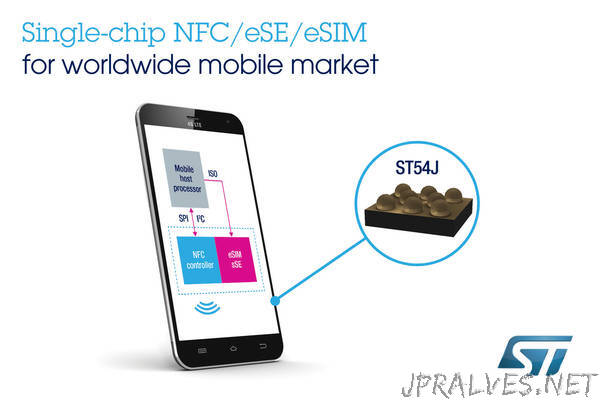
For travelers crossing borders, European Networks with Multi-Country Bargains offer exceptional value via eSIM plans. Providers like Airalo, Holafly, and Orange Holiday include data pools valid across multiple EU states, often covering 30+ countries for one flat rate. These plans typically avoid per-country roaming fees, letting you use a single eSIM for trips through France, Spain, and Germany. The best cheap eSIM plans in this category bundle 5–20GB with regional validity lasting 7–30 days. Multi-country data roaming ensures seamless connectivity without swapping SIMs, making short regional tours cost-effective.
| Provider | Coverage | Data | Duration |
|---|---|---|---|
| Airalo | 39 European countries | 1–20 GB | 7–30 days |
| Holafly | 32 European countries | Unlimited (fair use) | 5–90 days |
| Orange Holiday | 30 European countries | 10–50 GB | 14–28 days |
For visitors needing budget-friendly American coverage, regional eSIM providers like Visible+ and US Mobile offer prepaid data bundles that undercut major carrier roaming rates. These plans typically tap T-Mobile or Verizon networks, delivering reliable 5G access for under $20 per week. By forgoing contract commitments and focusing on high-speed data caps rather than unlimited talk, travelers on a tight budget can stream maps and use messaging apps without overpaying. Selecting a plan with a short validity period—such as 7 or 15 days—prevents buying unused days. This approach ensures visitors only pay for the precise coverage window they need while staying connected across major US metro areas.
Budget-friendly American coverage for visitors comes from regional eSIMs that offer cheap, short-term data bundles on major US networks, eliminating costly roaming fees.
To activate a virtual eSIM without breaking the bank, prioritize prepaid data-only plans from regional aggregators that offer instant QR-code activation. Avoid postpaid carriers by purchasing a cheap eSIM plan—often under $10—for your destination, then simply scan the emailed QR code via your phone’s settings menu.
For maximum savings, activate the plan just before departure and disable your primary SIM’s data roaming to avoid dual charges.
Use dedicated budget eSIM marketplaces that let you compare per-gigabyte costs in real-time, and always opt for a local data package rather than a global one to eliminate unnecessary fees.
For truly budget-conscious activation, instant setup via free apps eliminates the need for physical SIM cards or carrier store visits. Using apps like Airalo or Holafly, you select a cheap eSIM plan, complete payment through the app, and scan a delivered QR code to provision the eSIM in minutes. This digital workflow ensures you can activate a data package immediately upon arrival, avoiding roaming fees. The key benefit is instant eSIM provisioning, which lets you manage and recharge plans directly from your smartphone, keeping total costs under control without hidden setup charges.
To activate a cheap eSIM plan without incurring surprise charges, choose providers that offer QR Code Activation for Zero Extra Fees. This method eliminates hidden shipping costs or in-store activation fees, as the QR code is emailed directly to you. Simply scan the code with your device’s camera—no physical card or manual setup required. The entire process takes under two minutes and uses no third-party apps, keeping your initial cost exactly as advertised. For best results, verify the provider’s checkout page explicitly states zero extra fees for QR activation. Avoid any plan that charges a “processing fee” for the code; it should be included in the base price.
| Aspect | QR Code Activation (Zero Fees) |
|---|---|
| Cost | Only the plan price—no delivery or admin fees |
| Setup Time | Under 2 minutes |
| Extra Charges | Zero |
Before you pay for a cheap eSIM plan, test coverage risk-free by using a provider’s free trial or money-back window. Many budget eSIMs offer a 24-hour evaluation period or a low-cost starter pack—activate this first on your device and run speed tests at home, work, and transit hubs. If speeds drop below usable levels, cancel within the grace period for a full refund. This approach prevents wasted cash on a plan that fails in your real-world locations, ensuring you only commit to data that actually works where you need it.
For budget-conscious travelers, a data-only eSIM plan is almost always cheaper than a voice-and-data plan. Voice plans bundle expensive cellular minutes you rarely use, while data-only eSIMs force you to use messaging apps like WhatsApp or FaceTime Audio for calls. Skipping the voice component typically cuts your plan cost by 30–50% with cheap eSIM providers. Q: Is a data-only eSIM risky for calls? A: No, because free VoIP apps use your data allowance perfectly for calls, making a separate voice service unnecessary and wasteful. Always choose data-only for pure savings.
Sticking to messaging apps to cut costs is key when using a cheap eSIM plan. By relying on apps like WhatsApp, Telegram, or Signal for all texts and calls, you avoid expensive traditional SMS and voice minute charges. To maximize savings with this approach, follow this sequence:
This method lets you operate almost entirely on a data-only plan, which is typically far cheaper than any voice-and-data bundle.
When a local number isn’t essential, you unlock the freedom to bypass voice plan markups entirely. Travelers relying on WhatsApp, Telegram, or FaceTime Audio can grab a cheap data-only eSIM, paying only for gigabytes rather than bundled minutes they never use. This approach slashes costs because carriers often charge a premium for a local voice line you might not answer. You circumvent activation fees tied to physical SIMs and avoid roaming charges for incoming calls, instead routing everything through your preferred apps. Without a local number, your plan becomes purely about bandwidth, letting you prioritize speed over unnecessary telephony features.
Dropping the local number strips away voice overhead, leaving you with cheaper, simpler data-only connectivity for app-based communication.
Using a cheap eSIM with a small data plan effectively requires systematically pairing it with free Wi-Fi hotspots. Before leaving a known network, download offline maps and cache streaming content. Switch off cellular data when connected to a trusted Wi-Fi network, and rely on the small eSIM plan only for essential navigation or messaging during transit. Set your phone to disable background app refresh over cellular and enable Wi-Fi calling to route voice minutes through free networks. This approach ensures you never exceed your tiny data bucket while remaining connected.
Combining free Wi-Fi with a small data plan means covering 90% of your usage via public or home networks, reserving eSIM data solely for critical moments when no Wi-Fi is available.
A common pitfall with cheap eSIM plans is assuming the advertised price covers all necessary features. You might select a budget data-only plan, only to discover it lacks voice minutes, forcing you to pay high per-minute rates for essential calls. Failing to activate or deactivate auto-renewal on a low-cost plan can suddenly charge you a full monthly rate, negating any initial savings. Similarly, overlooking strict data deprioritization policies means your connection becomes unusably slow during peak hours, pushing you to buy expensive top-up packages. Even a free trial can become costly if you forget to cancel it before the billing cycle begins. Always verify a cheap plan’s true feature set and throttling rules to avoid these hidden budget inflators.
When your phone automatically backs up photos or app data to iCloud or Google Drive using a cheap eSIM’s primary network, it can silently trigger accidental roaming charges on backups if that eSIM lacks an inclusive data allowance in the country you are visiting. Even budget-friendly eSIM plans often have zero data on backup servers, so a single overnight sync can drain your balance. To prevent this, disable cellular data for backup apps or restrict backups to Wi-Fi only. A traveler might wonder, Q: How do I avoid being charged for a backup while roaming? A: In your phone’s settings, toggle off “Cellular Data” for the backup service or set it to “Wi-Fi Only” before using a cheap eSIM.
Auto-renewal can trap you into paying inflated rates for an expired eSIM plan. Many cheap eSIM providers quietly switch your data plan to a much higher standard price once the promotional period ends. Always disable auto-renewal immediately after purchase. Check renewal dates in your account settings, and set a manual calendar reminder to re-subscribe at the cheapest available rate. Q: How do I avoid a price hike from auto-renewal? A: Turn off auto-renewal in your provider’s dashboard right after buying the plan, then purchase a new low-cost plan yourself before the old one expires.
Even on cheap eSIM plans, repeatedly purchasing small data top-ups creates a significant budget leak. Each transaction often incurs a base fee or higher per-GB rate, making small increments deceptively expensive. You might pay $3 for 500MB three times rather than $5 for 2GB once, effectively doubling your cost per gigabyte. These micro-purchases bypass the plan’s core value, as carriers profit from urgent, low-volume refills.
Imagine hopping off a bus in a new city; your cheap eSIM plan auto-activates a stripped-down data bundle from a local budget carrier, costing pennies. Future trends push this further: AI will dynamically swap you between partner networks every few minutes, hunting the absolute cheapest per-megabyte rate in real-time, even if it means a one-second blink in connectivity. “How will this work with prepaid plans?” They will evolve into micro-mobility subscriptions—you pay by the hour for roaming, not by the day, throttling to 128kbps speeds after a 50MB burst to keep your monthly invoice under two dollars. The SIM card vanishes into your device’s firmware, letting you stack three separate cheap eSIM plans for different tasks: one for WhatsApp-only, one for maps, one for emergency calls.
Startup platforms are shaking up cheap eSIM plans by offering hyper-local deals and pay-as-you-go flexibility, directly challenging established giants stuck on rigid global packages. This rivalry forces both sides to constantly undercut each other. A startup might let you buy just 1GB for a single country, while a giant dangles a massive multi-region bundle at a similar price. The key battleground? Dynamic pricing for on-the-go users. To navigate this, travelers can mix and match: use a startup’s cheap local data for one leg of a trip, then a giant’s reliable network for broader coverage elsewhere.
| Startup Platforms | Established Giants |
|---|---|
| Offer niche, single-country plans dirt cheap. | Bundle many regions, often pricier for short stays. |
| Prioritize app-based top-ups and instant activation. | Rely on prepackaged eSIMs with fixed data limits. |
| Flexible for spontaneous, location-specific needs. | Better for predictable, multi-country travel plans. |
The entry of new providers forces existing carriers to slash their eSIM costs, often leading to aggressive price wars on data plans. You can expect introductory offers like 50% off for the first month or drastically lower per-GB rates on regional bundles. To capitalize, monitor comparison platforms weekly, as these discounts are typically limited-time promotions designed to capture market share. Q: How quickly do price drops from new market entrants occur? A: Usually within 1–3 months of a major competitor announcing a budget eSIM tier.
Users increasingly reject hidden fees and complex data buckets, driving demand for true flat-rate eSIM plans. Travelers now insist on a single, upfront price covering all data, SMS, and minutes within a validity period, with no throttling or surprise overage costs. This shift forces providers to offer all-inclusive tiered plans where the total cost is known before purchase. Q: Why do users prefer flat rates over tiered data? A: Because a flat rate eliminates bill shock, allowing precise budget control for trips, while tiered or pay-per-use models often lead to unexpected charges when streaming or navigating abroad.
Die Auswahl vertrauter top online casinos wird durch einfache Navigation und klare Menüführung erleichtert, sodass der Einstieg auch für Neulinge schnell gelingt und Lust auf mehr macht.
read more